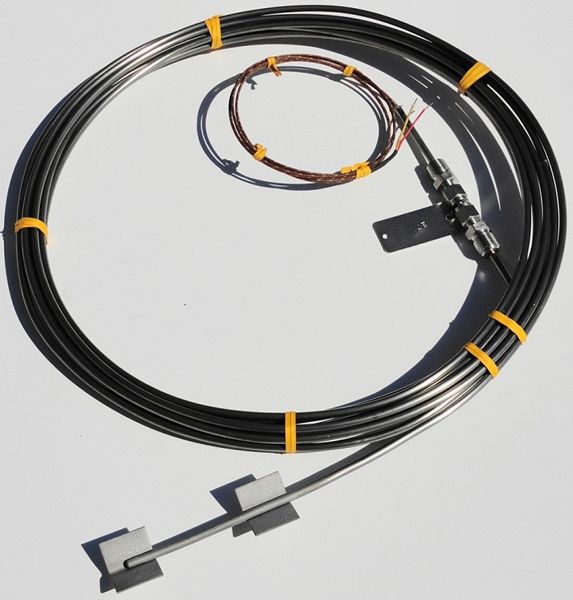
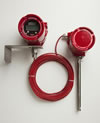
Thermocouple assemblies, also called thermocouples, temperature sensors or temperature probes, are instruments that both sense heat and control temperature. Consisting of two connected, dissimilar metal wires, their operation is based on the Seebeck Effect, which theorizes that a voltage is always created between two dissimilar metals, and that said voltage changes in proportion to exterior temperature changes. Read More…
In business since 1972, Thermo Sensors Corporation is a leading thermocouple manufacturer of an array of many products and services.
We manufacture a full line of Thermocouples to fit your application. Temperatures from cryogenic to 4000F, and sizes ranging from needle thin to several thousand pound multipoint temperature sensors.
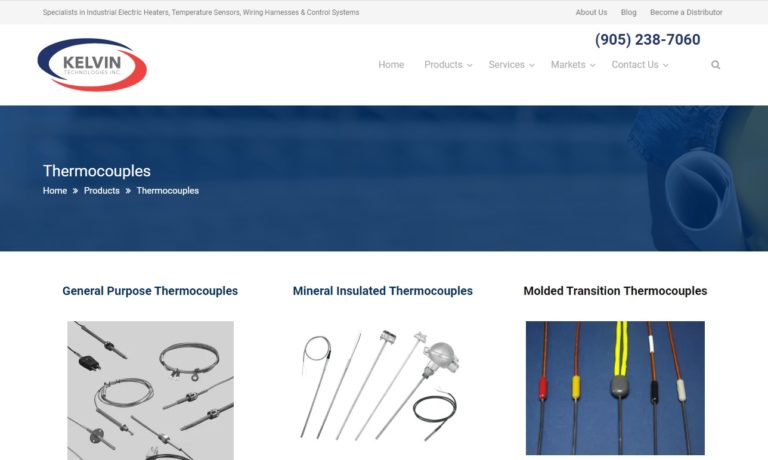
Kelvin Technologies is a high-quality thermocouple manufacturer, representative, and distributor for all of your electrical heating, temperature controlling, and temperature sensing requirements. Our products are engineered and manufactured in-house to address specific requirements, such as higher temperatures and more compact profiles. With over 100 years of combined experience, all of us at...
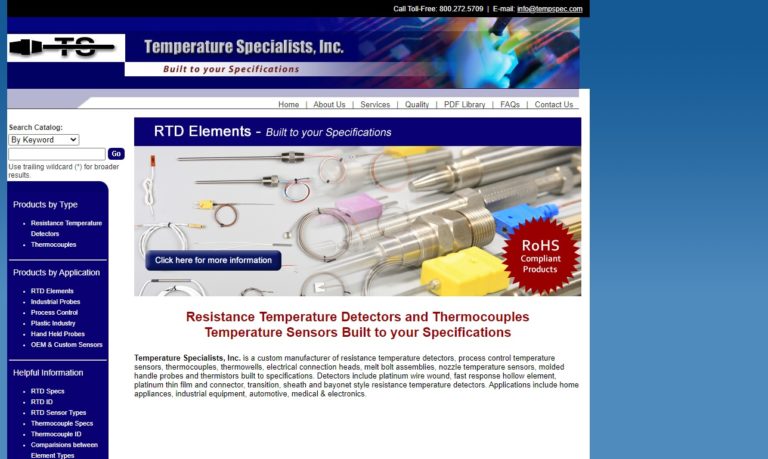
Temperature Specialists, Incorporated is a manufacturer of quality thermocouples. Temperature Specialists provide solutions for your sensing needs by building to meet your specifications. Feel free to visit their comprehensive and helpful website for full descriptions of their state-of-the-art line of quality products and services or call their experts with any questions.
Since 1971, Thermalogic has been a leading manufacturer of electronic temperature and humidity control and sensors. Here at Thermalogic we work with our clients in a partnership to build a lasting business relationship. All of our products have quick turnaround times, including custom designs, and are thoroughly tested prior to being sent out. At Thermalogic we pride ourselves on our high...


More Thermocouple Manufacturers
Thermocouple Applications
Thermocouple assemblies are essential temperature measurement devices widely used across numerous industries and sectors due to their versatility, reliability, and cost-effectiveness. In industrial applications, thermocouples are fundamental in process control, monitoring, and automation. Common systems and devices that rely on thermocouples include water tanks, plastic extrusion machines, heat exchangers, boilers, heating equipment, parts washers, kilns, ovens, water heaters, furnaces, pressure chambers, and thermostats. Their ability to provide accurate and real-time temperature readings makes them invaluable in manufacturing, laboratory, and quality assurance environments.
In the residential and commercial sectors, thermocouples are integral to home appliances, HVAC (heating, ventilation, and air conditioning) systems, gas fireplaces, and water heaters, ensuring safety by detecting pilot flame presence and shutting off gas valves if the flame goes out. Their fast response time and broad temperature range also make them a preferred choice for food safety and medical device monitoring.
- Industrial Process Control: Monitor and regulate temperatures in chemical processing, petroleum refining, and power generation plants.
- Laboratory and Research: Provide high-precision temperature measurements in scientific experiments and research and development (R&D) settings.
- OEM Manufacturing: Integrated into custom machinery and equipment for temperature sensing and control.
- Automotive Testing: Monitor exhaust, coolant, and engine temperatures for performance and emissions testing.
- Energy and Utilities: Ensure safe and efficient operation of turbines, boilers, and nuclear facilities.
Are you exploring the best temperature sensor for your application? Compare thermocouples with thermistors and RTDs to determine which is best suited for your accuracy, range, and budget requirements.
The History of Thermocouple Assemblies
Thermocouple technology has a rich history, dating back to 1821 when Thomas Seebeck discovered the “Seebeck effect.” This phenomenon occurs when two dissimilar metals are joined at both ends, and a temperature difference between the junctions creates a voltage, generating a tiny electric current. Seebeck’s groundbreaking discovery laid the foundation for modern temperature sensing and thermal measurement systems.
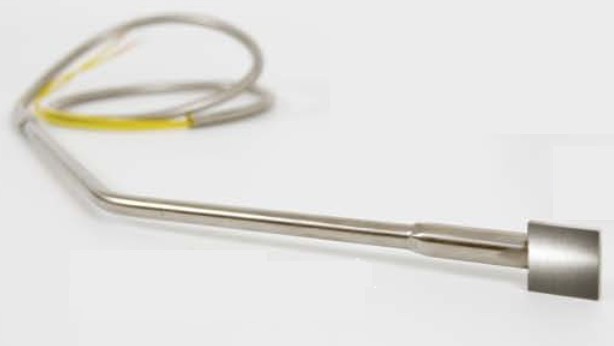
Thermocouple Assemblies – Thermo Sensors Corporation
Legendary scientists such as Michael Faraday and Georg Ohm further explored and validated the Seebeck effect through their 1820s experiments, advancing the global understanding of thermoelectric principles. In 1826, A.C. Becquerel made a pivotal contribution by suggesting the Seebeck effect could be harnessed for measuring high temperatures, propelling thermocouples into industrial applications.
By the 1830s, Italian physicist Leopoldo Nobili, in collaboration with Macedonio Melloni, developed the thermo-multiplier—a thermoelectric battery that combined multiple thermocouples to amplify thermal signals. This innovation became a precursor to the modern thermocouple assembly, solidifying Nobili’s place in thermocouple history.
Some experts credit Henry Le Chatelier as the “father of the thermocouple” for inventing the first rhodium-platinum and platinum wire thermocouples in the late 19th century. At the same time, American pioneers like Dr. Carl Barus contributed to the field by establishing linear relationships between thermocouple output and temperature, particularly for geological surveys.
Mass production of thermocouples began in the early 20th century, evolving alongside advancements in metallurgy, manufacturing, and electronics. Today, thermocouple assemblies are engineered for high accuracy, ruggedness, and adaptability, addressing even the most demanding industrial and scientific applications.
Thermocouple Design
Production Process
At its core, thermocouple design involves joining two dissimilar metals or alloys, typically in the form of wires, to create a thermoelectric junction. The wires are then encased in an insulating sheath, often made from materials such as ceramic, stainless steel, or Inconel, which provides mechanical protection and electrical isolation. The sheath material is chosen based on environmental conditions, such as exposure to corrosive gases, moisture, or high vibration.
Thermocouples are manufactured with three primary junction types:
- Grounded Junction: The junction is physically connected to the probe sheath, offering fast response times but reduced isolation from electrical noise.
- Ungrounded Junction: The junction is separated from the sheath by insulation, providing improved electrical isolation and stability, especially in electrically noisy environments.
- Exposed Junction: The thermocouple wires extend beyond the sheath, enabling the fastest response times, but only suitable for non-corrosive, non-pressurized environments.
Interested in learning which thermocouple junction suits your application? Ask: What are the differences between grounded, ungrounded, and exposed thermocouple junctions?
Considerations
Thermocouple manufacturers carefully select metal combinations and calibrate their assemblies to match the required temperature range, environment, and response characteristics of the application. Different sheath materials, wire gauges, and protective coatings are chosen to optimize performance for specific uses—such as high-vibration industrial processes, corrosive chemical environments, or precise laboratory measurements.
For instance, thermocouple wires with thinner diameters allow for faster temperature response but may have a reduced lifespan and lower maximum temperature ratings. Conversely, thicker wires extend measurement range and durability but may be slower to respond. Surface temperature measurements may require flat, ribbon-style wires or specialized surface probes. Environmental factors such as vibration, abrasion, and chemical exposure directly impact the longevity and accuracy of a thermocouple, so these must be considered during design and installation.
When retrofitting or integrating a thermocouple assembly into an existing system, ensure compatibility with controllers, transmitters, and data acquisition equipment. Considerations such as signal type (millivolt output), cold junction compensation, and connector type must align with your application’s infrastructure.
Wondering how to choose the correct thermocouple for your industry? Explore: What factors should I consider when selecting a thermocouple assembly?
Features of Thermocouples
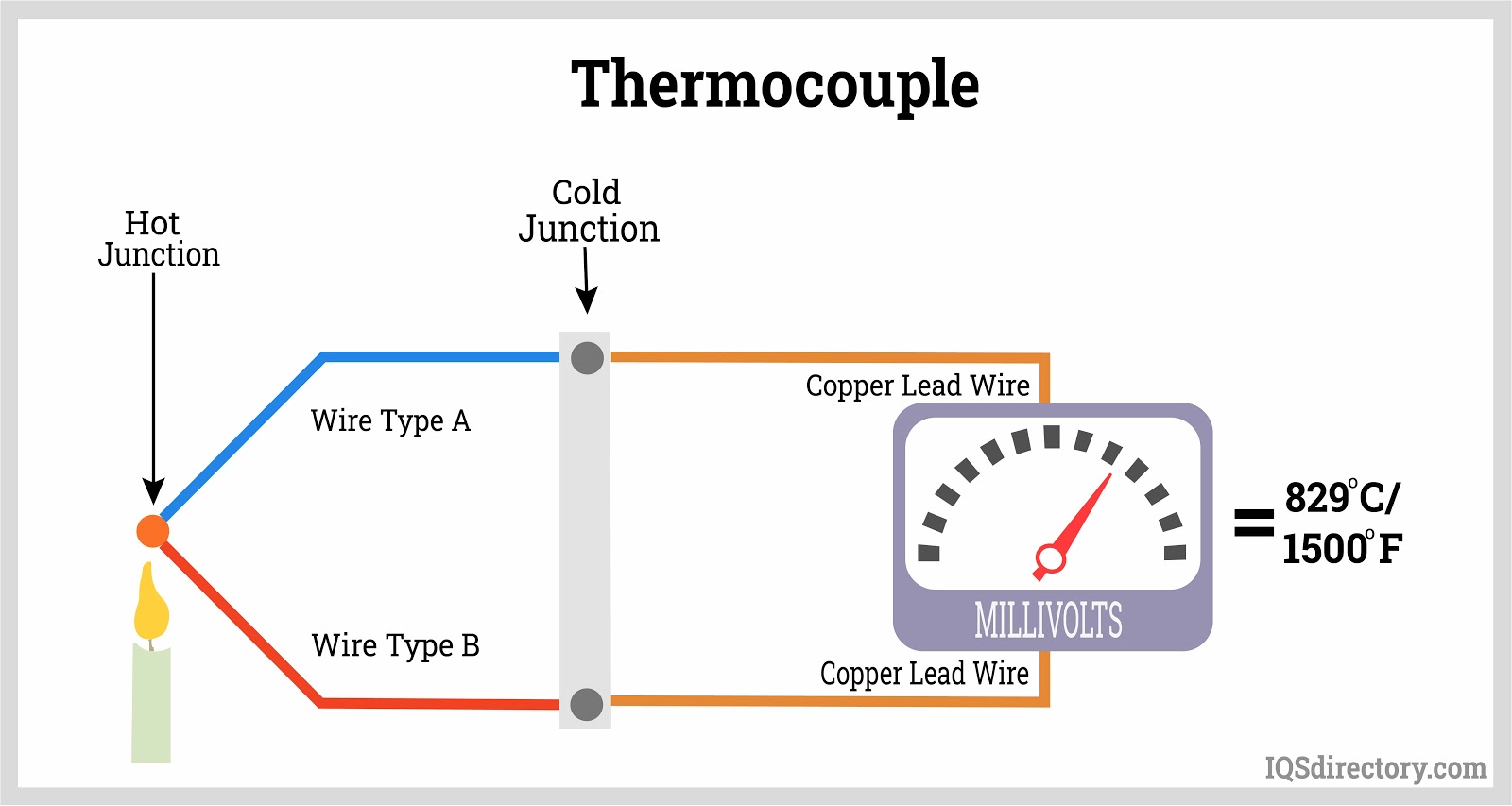
The core feature of every thermocouple is its construction from two different metals or alloys, joined at one end to form a measurement junction (hot junction). The other ends, called reference junctions (cold junctions), remain separate and are maintained at a known reference temperature. The temperature difference between these junctions produces a voltage (electromotive force) that can be measured and correlated to temperature.
Modern thermocouples often work in arrays or teams, transmitting real-time data to programmable logic controllers (PLCs), distributed control systems (DCS), or specialized temperature monitors. Advanced systems digitize and analyze the thermocouple output for process optimization, safety monitoring, and predictive maintenance.
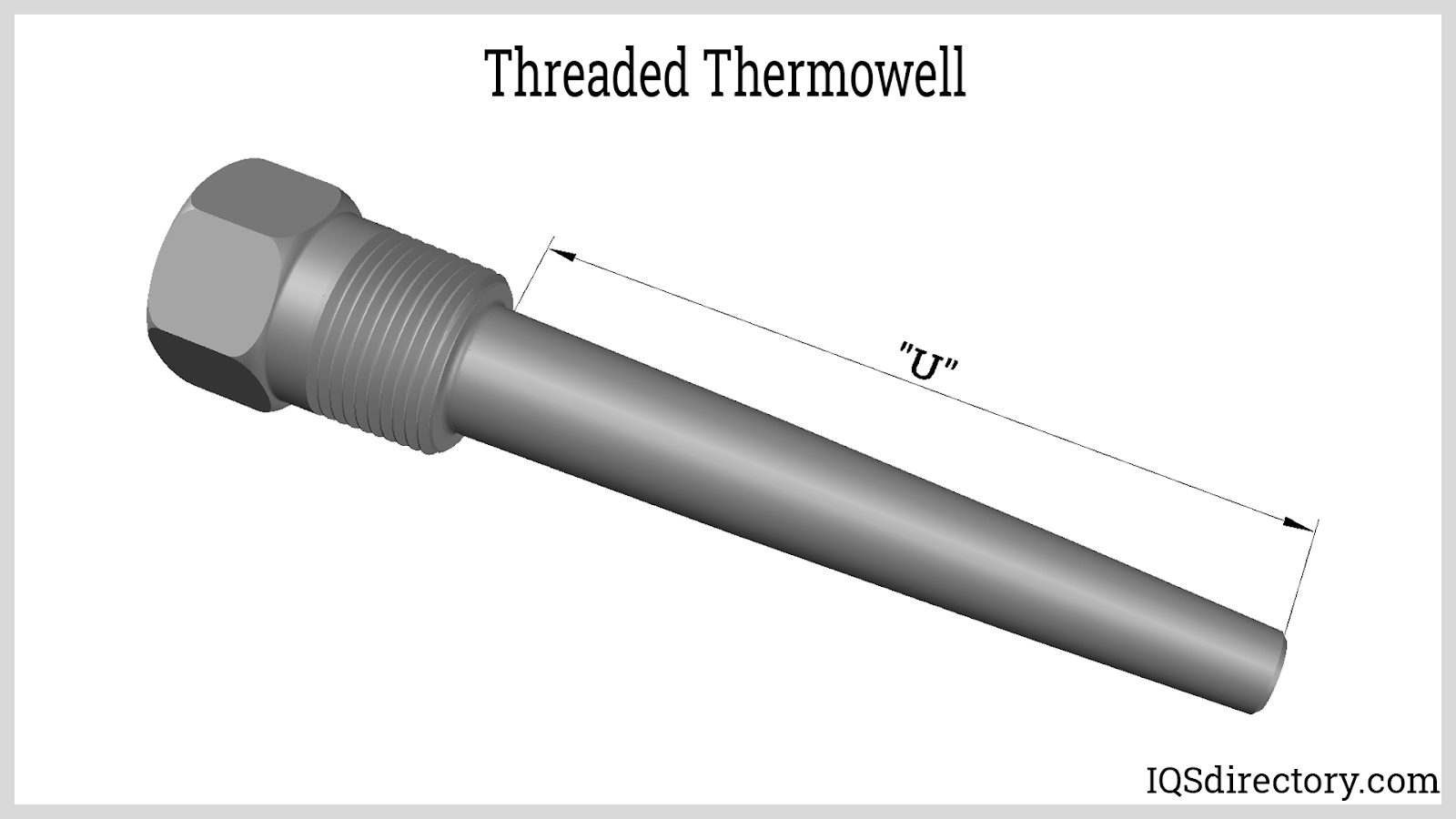
To enhance performance and longevity, thermocouples are frequently paired with thermowells, protective sleeves, and extension wires. These accessories help shield the thermocouple from harsh environments, mechanical stress, and chemical corrosion, thereby maximizing service life and measurement accuracy.
Thermocouples operate on the Seebeck Effect, which is the generation of voltage due to a temperature gradient between two dissimilar metals. This voltage, measured in millivolts, is directly proportional to the temperature difference and forms the basis for precise thermal measurements. To correct for environmental fluctuations at the reference junction, cold junction compensation is used—either via electronic circuitry or reference ice baths in laboratory settings.
Because different metal combinations produce different voltage-temperature characteristics (thermocouple types), selecting the appropriate pair of metals based on application temperature range, chemical compatibility, and accuracy requirements is critical for optimal performance.
Curious about thermocouple accuracy and stability? Research: How do calibration and cold junction compensation improve thermocouple performance?
Types of Thermocouples
Thermocouple assemblies are categorized as either noble metal thermocouples or base metal thermocouples. Each group features unique properties that make them ideal for specific temperature measurement tasks, environments, and industries.
Noble metal thermocouples are engineered from precious metals such as platinum and rhodium, delivering high stability, corrosion resistance, and measurement precision at elevated temperatures—often up to 2000°C. These thermocouples are widely used in high-temperature furnaces, glass manufacturing, semiconductor fabrication, and scientific research. Prominent noble metal thermocouple types include:
- Type R: 13% rhodium and platinum, 32°F to 2602°F, known for stability and accuracy in laboratory and industrial applications.
- Type S: Platinum and 10% rhodium, prized for precision and long-term stability, especially in pharmaceutical and biotechnology processes.
- Type B: 30% rhodium and platinum, minimal sensitivity at low temperatures but excellent at extremely high temperatures, often used in steel and glass industries.
Base metal thermocouples are constructed from common metals like nickel, copper, and iron, offering cost-effective temperature sensing for a wide range of applications. Notable types include:
- Type K: Nickel-chromium (chromel) and nickel-aluminum (alumel), -328°F to 2462°F, robust and widely used in general-purpose industrial and laboratory settings.
- Type N: Nicrosil and Nisil alloys, -454°F to 2372°F, superior stability and resistance to oxidation, ideal for power generation and petrochemical processes.
- Type J: Iron and constantan, -346°F to 1400°F, suitable for vacuum, inert, or reducing environments.
- Type T: Copper and constantan, -454°F to 700°F, exceptional accuracy at low temperatures, favored in cryogenics and food safety monitoring.
- Type E: Nickel-chromium and constantan, -454°F to 1600°F, high sensitivity and accuracy, ideal for precise laboratory measurements.
Refractory metal thermocouples, such as Type C (tungsten-rhenium), withstand extremely high temperatures (above 4712°F) and are used in aerospace, metallurgy, and research environments where conventional thermocouples would fail.
To learn more about the optimal thermocouple for your application, visit our in-depth guides:
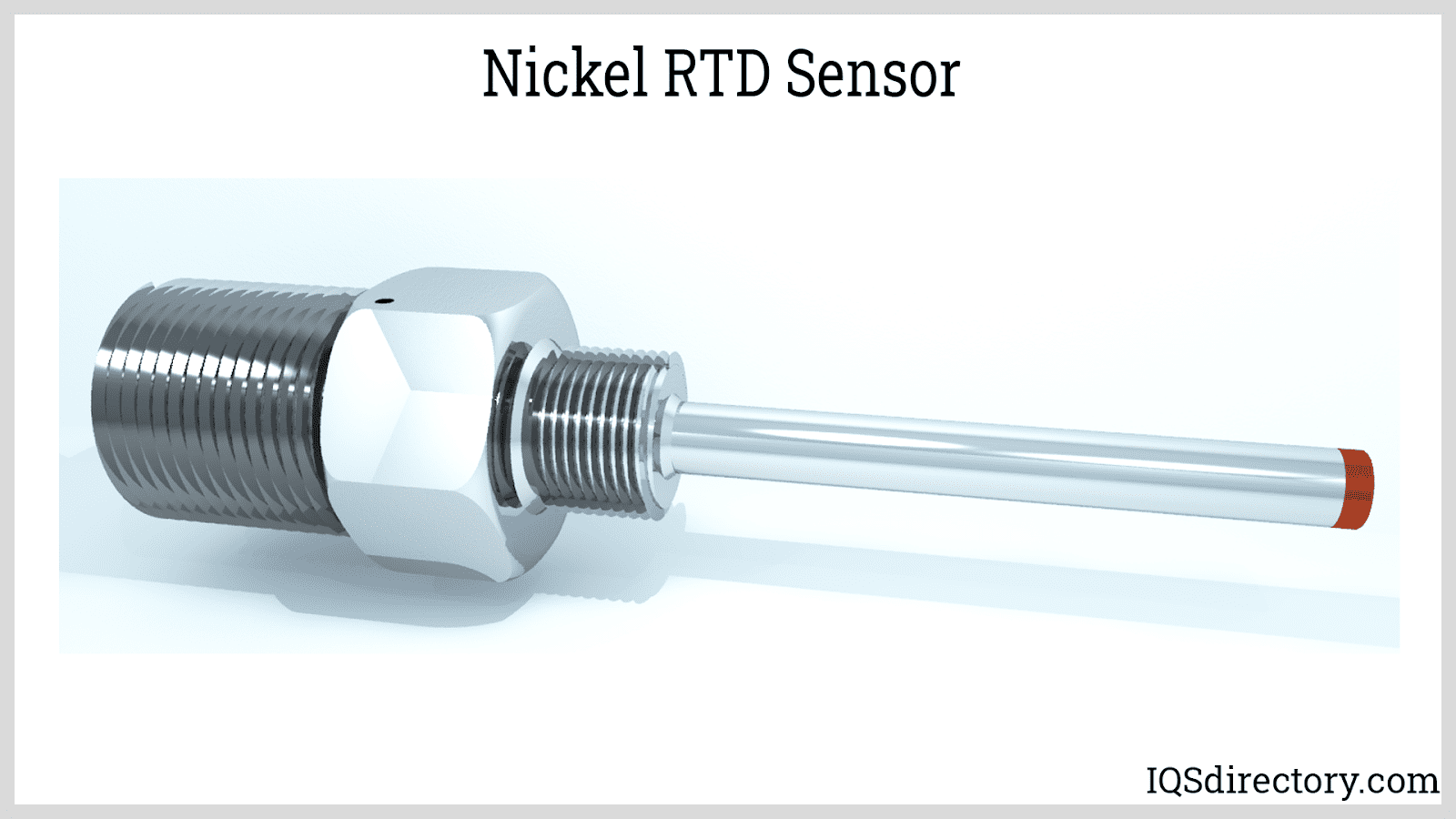
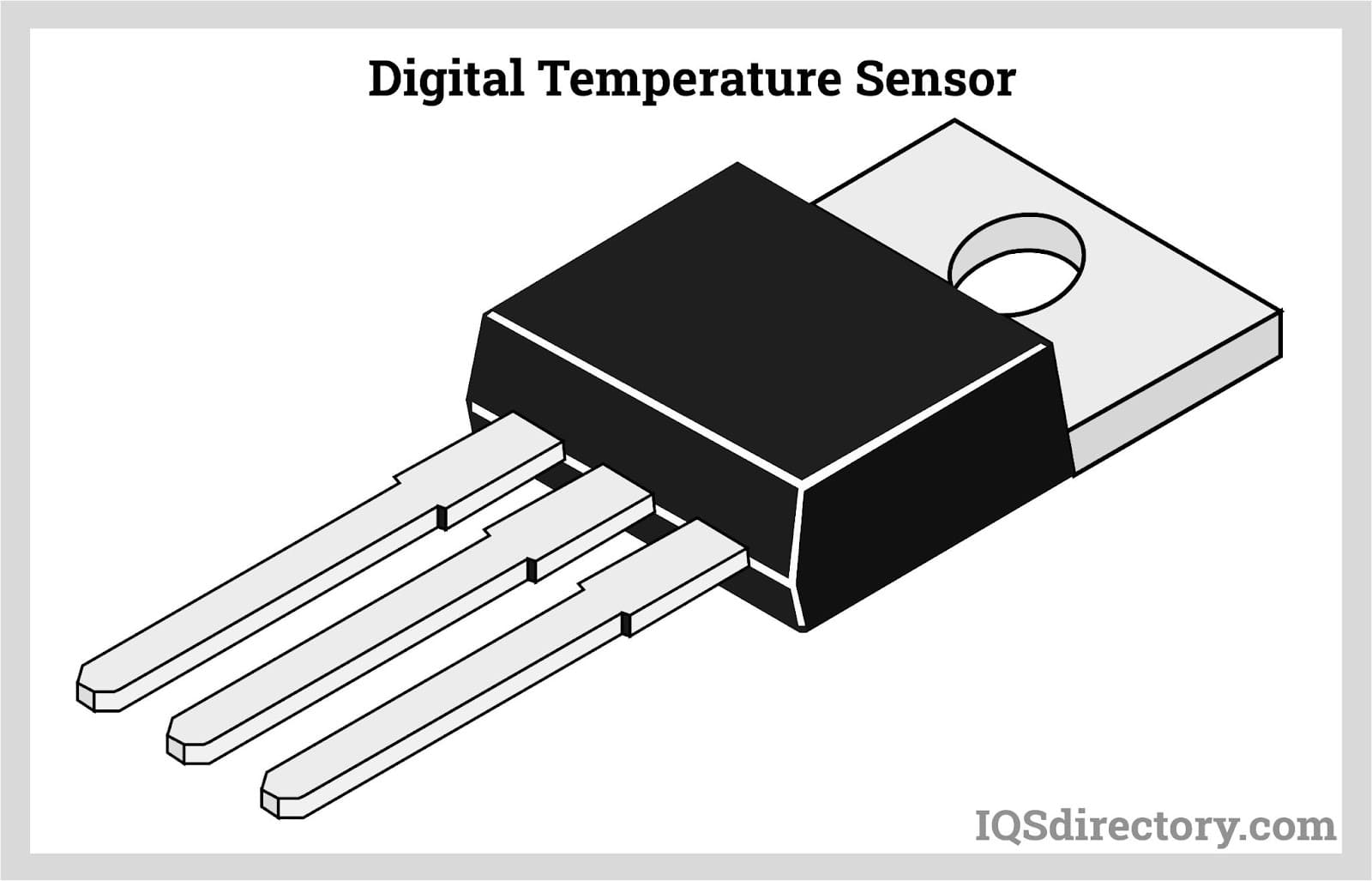
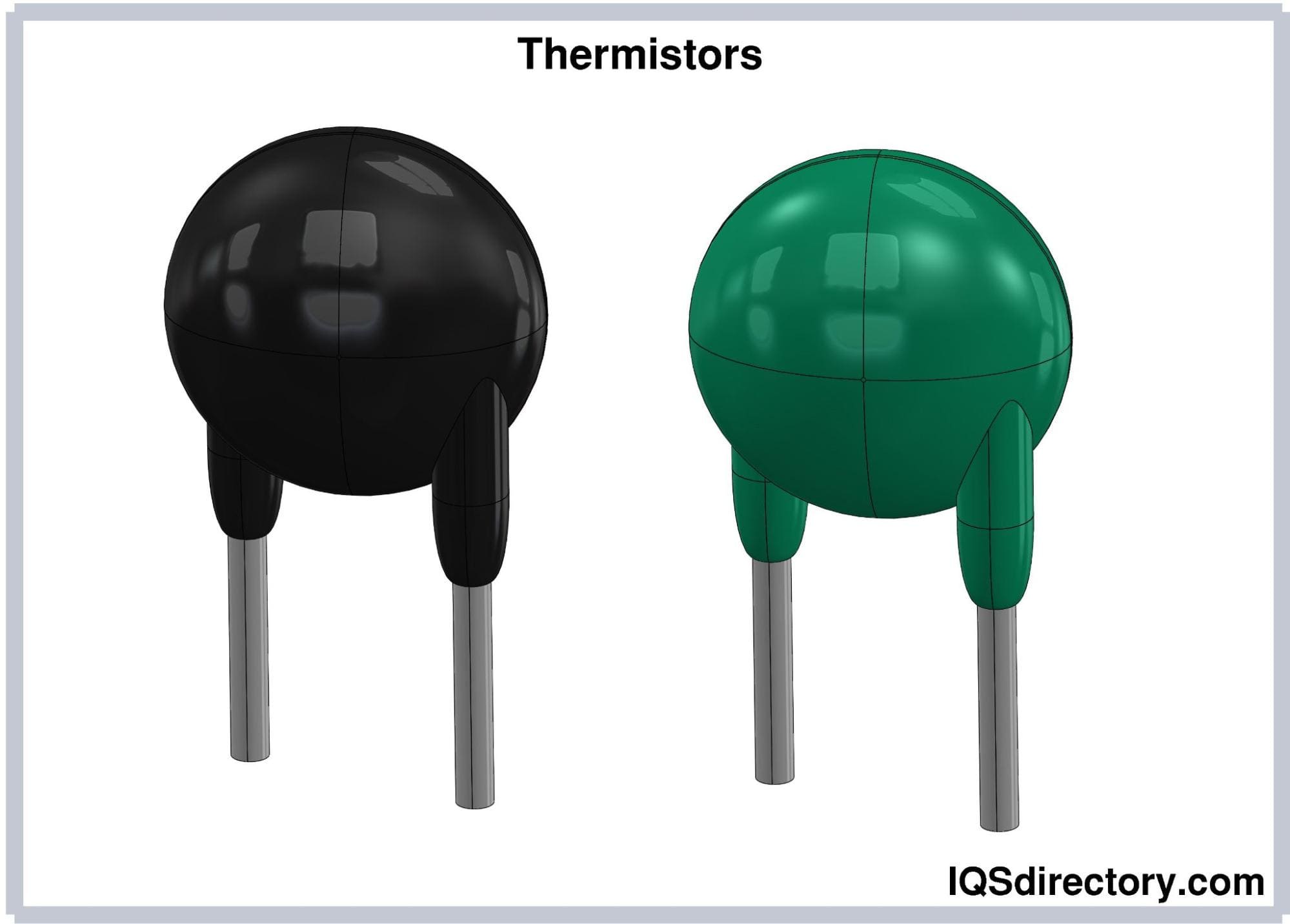
Thermocouples are sometimes replaced by thermistors and resistance temperature detectors (RTDs) for applications requiring higher accuracy, narrower temperature ranges, or greater sensitivity. Thermistors, made from metal oxides, exhibit a negative temperature coefficient (NTC)—their resistance decreases as temperature rises. They are ideal for low to mid-range temperature monitoring (up to 392°F). RTDs, typically made from platinum, offer excellent accuracy and repeatability over a range of -328°F to 1472°F, making them a preferred choice for laboratory and industrial applications where precision is critical.
Still deciding between thermocouple, RTD, and thermistor? Ask: Which temperature sensor offers the best mix of accuracy, range, and cost for my needs?
Advantages of Thermocouple Assemblies
Thermocouple assemblies offer a wealth of advantages, making them the preferred temperature measurement solution in a wide variety of industries and applications:
- Wide Temperature Range: Measure temperatures from cryogenic levels up to over 4000°F, depending on thermocouple type.
- Fast Response Time: Rapidly detect and respond to temperature changes—especially important in dynamic or safety-critical processes.
- Rugged and Durable: Withstand harsh industrial environments, including vibration, moisture, and corrosive chemicals.
- Cost-Effective: Simple construction and affordable materials keep purchase and maintenance costs low.
- Easy Installation: Compact design and variety of mounting options simplify integration into new and existing systems.
- Minimal Power Requirement: Operate without external power, generating a voltage output directly from the temperature gradient.
- Compatibility: Work seamlessly with digital controllers, PLCs, transmitters, and data acquisition systems.
- Versatility: Available in a range of sizes, configurations, and protective housings to suit virtually any application.
Looking for a temperature sensor with a specific benefit? Explore: What are the key advantages of thermocouple assemblies over other temperature measurement technologies?
Thermocouple Accessories
To maximize performance, safety, and longevity, thermocouple assemblies are often used in conjunction with a range of accessories:
- Thermocouple wires: Also known as extension wires, these maintain the integrity of the measurement circuit and allow remote placement of readout devices.
- Thermowells: Protective tubes that encase the thermocouple, shielding it from direct contact with process fluids, mechanical abrasion, or high pressure.
- Temperature transmitters: Convert low-level millivolt signals from the thermocouple into robust 4-20mA or digital signals for transmission to control systems.
- Connectors: Enable quick and reliable connection/disconnection of thermocouple assemblies, reducing installation time and maintenance.
- Isothermal blocks: Used in control panels and enclosures to ensure consistent temperature at reference junctions, improving accuracy.
Want to extend the life and reliability of your temperature measurement system? Find out: Which thermocouple accessories are essential for my application?
Proper Care for Thermocouple Assemblies
To guarantee accurate and reliable temperature readings, regular maintenance and proper care of thermocouple assemblies are vital. Key best practices include:
- Routine inspection: Check for corrosion, oxidation, contamination, or physical damage. Remove any foreign substances that may affect signal integrity.
- Monitoring for “Green Rotting Effect”: Especially in Type K thermocouples, overheating can oxidize the chromium element, leading to green deposits and eventual failure. Prevent this by monitoring temperature limits and avoiding excessive stress.
- Calibration: Periodic calibration ensures continued accuracy, especially in critical or regulated applications.
- Replacement of worn components: Swap out damaged wires, connectors, or protective sheaths to maintain optimal performance.
Not sure how to maintain your thermocouple assemblies? Ask: What are the recommended maintenance practices for maximizing thermocouple lifespan?
Standards
Thermocouple assemblies must adhere to strict industry standards to ensure safety, reliability, and interchangeability. Authentic thermocouple wire—made from certified metals with precise composition—is critical for maintaining measurement accuracy. Look for thermocouples manufactured according to recognized standards, such as:
- ANSI/ASTM E230: Standard reference tables for thermocouple electromotive force (EMF) output versus temperature.
- IEC 60584: International standard for thermocouple types, tolerances, and color codes.
- NIST Traceable Calibration: Ensures thermocouple performance is verified against national standards.
Choosing a reputable manufacturer that uses certified, original metals and follows industry standards is essential for reliable, long-term performance.
Industries that Use Thermocouples
Food and Beverage
Thermocouples provide critical temperature monitoring for food processing, baking, pasteurization, brewing, and refrigeration. They ensure product quality, safety, and regulatory compliance by delivering precise, real-time temperature readings in ovens, fryers, freezers, and packaging lines. Sanitary thermocouple designs meet FDA and HACCP standards for hygiene and food safety.
Power Generation
Thermocouples—especially Types J, K, and N—are indispensable for boiler, turbine, and exhaust monitoring in fossil-fuel, nuclear, and renewable energy plants. Their ruggedness, wide temperature range, and resilience to harsh conditions enable safe, efficient operation and predictive maintenance.
Automotive and Aerospace
In automotive and aerospace engineering, thermocouples monitor engine, exhaust, and environmental temperatures, supporting diagnostics, emissions testing, and safety. They are used in wind tunnel testing, thermal mapping, avionics, and battery management systems.
Metal Processing
Thermocouples are crucial in smelting, casting, forging, and heat-treating metals such as steel, aluminum, and titanium. Types K, N, R, S, and B are selected for their ability to withstand extreme heat and chemical exposure, ensuring consistent product quality and process safety.
Other Key Industries:
- Chemical and Petrochemical: Monitor reaction temperatures, distillation, and storage in aggressive chemical environments.
- HVAC and Building Automation: Control heating and cooling systems in commercial and residential buildings.
- Medical and Pharmaceutical: Ensure precise temperature control in sterilization, incubation, and laboratory testing.
- Semiconductor Manufacturing: Manage wafer processing and equipment temperatures with high-purity thermocouples.
- Environmental Monitoring: Support weather stations, climate studies, and environmental chambers.
Thermocouples’ simplicity, durability, and broad operating range, combined with their ability to function without external power, make them a practical and reliable choice for demanding industrial, scientific, and commercial applications.
Things to Consider Regarding Thermocouples
When evaluating thermocouple assemblies for your project, keep these critical decision factors in mind:
- Temperature range: Choose a thermocouple type rated for your application’s minimum and maximum temperatures.
- Chemical compatibility: Select sheath and junction materials that can withstand the process environment (e.g., corrosive chemicals, humidity, or gases).
- Installation environment: Consider factors such as vibration, abrasion, pressure, and physical accessibility.
- Accuracy and stability: Determine if your application requires standard or special limits of error, and whether periodic calibration is feasible.
- Response time: Assess how quickly the sensor must detect temperature changes to maintain process control or safety.
- Signal transmission distance: Evaluate whether you need extension wires, transmitters, or signal conditioning for remote monitoring.
- Compliance and certification: Confirm the manufacturer meets industry standards and provides traceable calibration certificates.
- Supplier reputation: Select a thermocouple manufacturer with a proven track record in your industry, reliable customer service, and high-quality materials.
Ready to source the ideal thermocouple assembly for your needs? Browse our curated list of industry-leading thermocouple manufacturers to compare capabilities, request quotes, and select the partner that best aligns with your requirements.
Have more questions about thermocouple selection, installation, or maintenance? Explore our resources or contact us for expert guidance on thermal measurement solutions.
Check out our Load Cells website
Check out our Clean Rooms website
What are the main applications of thermocouple assemblies?
Thermocouple assemblies are used for temperature measurement and control in numerous settings such as industrial process control, laboratory research, OEM machinery, automotive testing, energy and utilities, as well as residential appliances, HVAC, food safety, and medical devices. Their versatility and reliability make them indispensable across sectors.
How do grounded, ungrounded, and exposed thermocouple junctions differ?
Grounded junctions are attached to the probe sheath for fast response but offer less electrical noise isolation. Ungrounded junctions are separated from the sheath by insulation, providing better stability in noisy environments. Exposed junctions protrude beyond the sheath for the fastest response but are suitable only for non-corrosive, non-pressurized conditions.
What factors should be considered when selecting a thermocouple assembly?
Consider the application’s required temperature range, chemical and environmental compatibility, response time, desired accuracy and stability, installation environment, signal transmission needs, compliance with industry standards, and the supplier’s reputation. Matching these factors ensures reliable and accurate temperature measurement.
What are the main types of thermocouples and their typical uses?
Thermocouples are grouped as noble metal types (like Types R, S, B for high-temperature, high-stability applications in laboratories or glass manufacturing) and base metal types (such as Types K, N, J, T, E used in industrial, automotive, and laboratory settings). There are also refractory metal thermocouples, such as Type C, for extremely high-temperature environments like aerospace and metallurgy.
How do thermocouples compare with RTDs and thermistors?
Thermocouples offer wide temperature ranges, durability, and low cost, making them ideal for general and high-temperature applications. RTDs provide higher accuracy and repeatability over a moderate temperature range, while thermistors excel in low to mid-temperature applications requiring high sensitivity and are typically more limited in range.
What are essential accessories for maximizing thermocouple performance?
Key accessories include thermocouple wires for remote mounting, thermowells for mechanical protection, temperature transmitters for signal conditioning, connectors for easy installation, and isothermal blocks to stabilize reference junction temperatures. Choosing the right accessories enhances accuracy, safety, and longevity.
What are best practices for maintaining thermocouple assemblies?
Best practices include routine inspections for corrosion or damage, monitoring for oxidation effects like the “Green Rotting Effect” in Type K, periodic calibration for accuracy, and timely replacement of worn or damaged parts. Proper maintenance extends service life and ensures reliable readings.