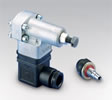
They are used primarily to prevent the dangerous release of natural gas within a residential environment, which could cause an explosion, fire or even death if inhaled over an extended period of time. Read More…
In business since 1972, Thermo Sensors Corporation is a leading thermocouple manufacturer of an array of many products and services.

We manufacture a full line of Thermocouples to fit your application. Temperatures from cryogenic to 4000F, and sizes ranging from needle thin to several thousand pound multipoint temperature sensors.

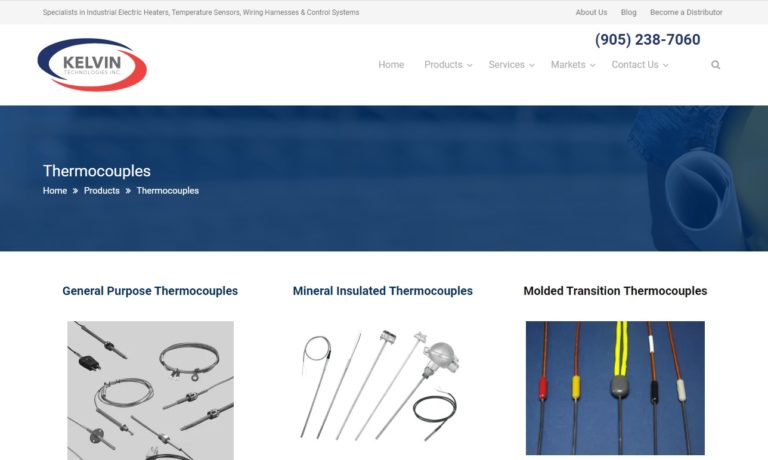
Kelvin Technologies is a high-quality thermocouple manufacturer, representative, and distributor for all of your electrical heating, temperature controlling, and temperature sensing requirements. Our products are engineered and manufactured in-house to address specific requirements, such as higher temperatures and more compact profiles. With over 100 years of combined experience, all of us at...
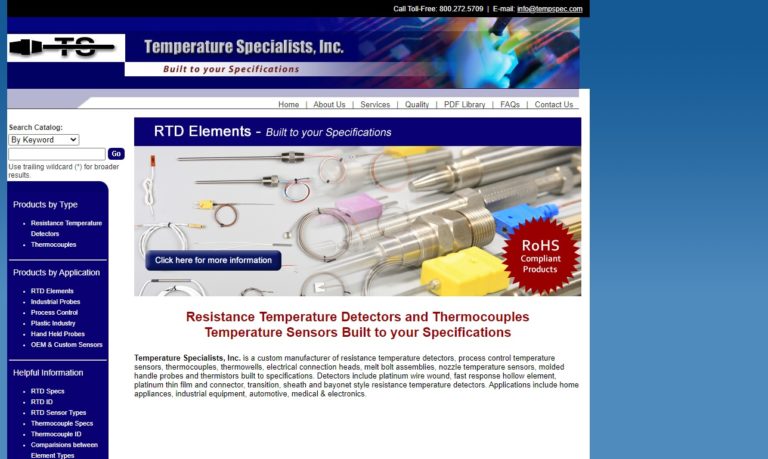
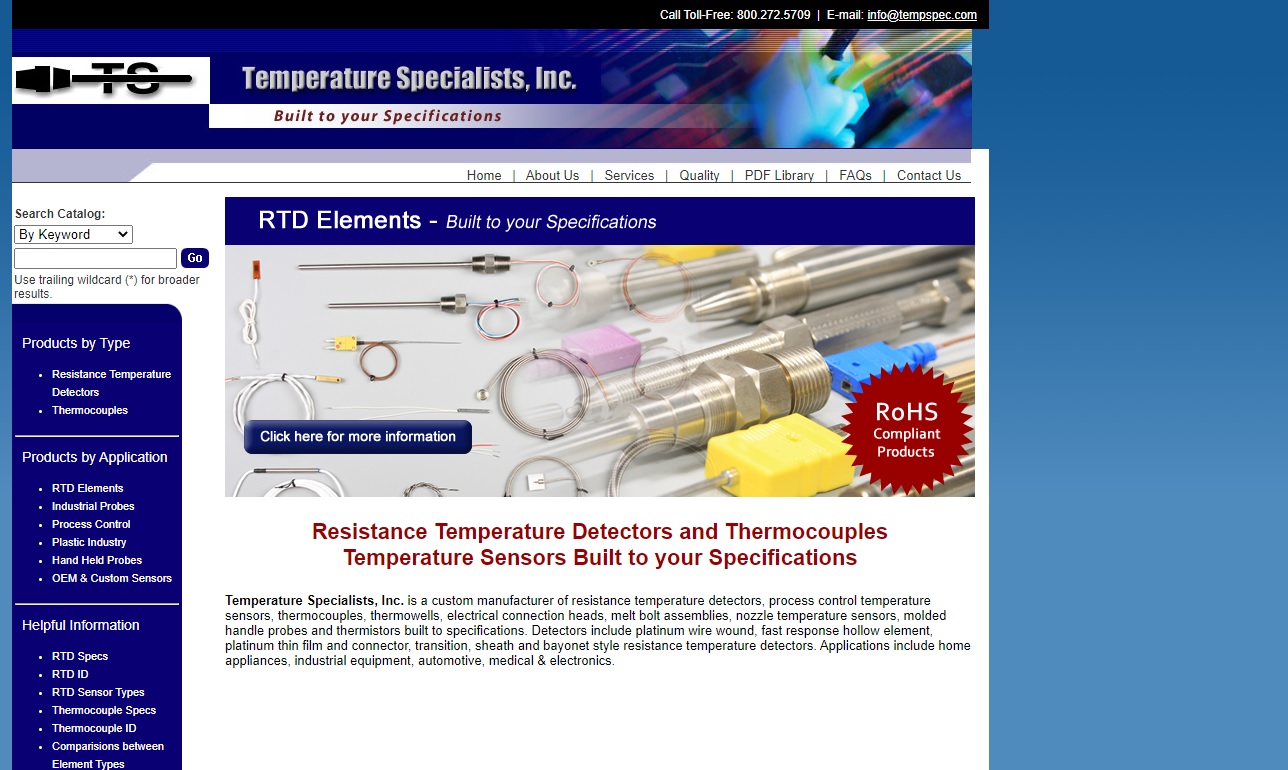
Temperature Specialists, Incorporated is a manufacturer of quality thermocouples. Temperature Specialists provide solutions for your sensing needs by building to meet your specifications. Feel free to visit their comprehensive and helpful website for full descriptions of their state-of-the-art line of quality products and services or call their experts with any questions.
Since 1971, Thermalogic has been a leading manufacturer of electronic temperature and humidity control and sensors. Here at Thermalogic we work with our clients in a partnership to build a lasting business relationship. All of our products have quick turnaround times, including custom designs, and are thoroughly tested prior to being sent out. At Thermalogic we pride ourselves on our high...






More Water Heater Thermocouple Manufacturers
Water Heater Thermocouple: Essential Guide for Homeowners and Professionals
Are you searching for a comprehensive guide to water heater thermocouples? Whether you’re a homeowner seeking to troubleshoot a faulty water heater or a facilities manager evaluating replacement parts, understanding the operation, importance, and best practices for thermocouple maintenance is essential. This page explores the working principle of water heater thermocouples, key use cases, application benefits, installation tips, troubleshooting steps, and decision factors for purchasing the right thermocouple for your hot water system.
What Is a Water Heater Thermocouple?
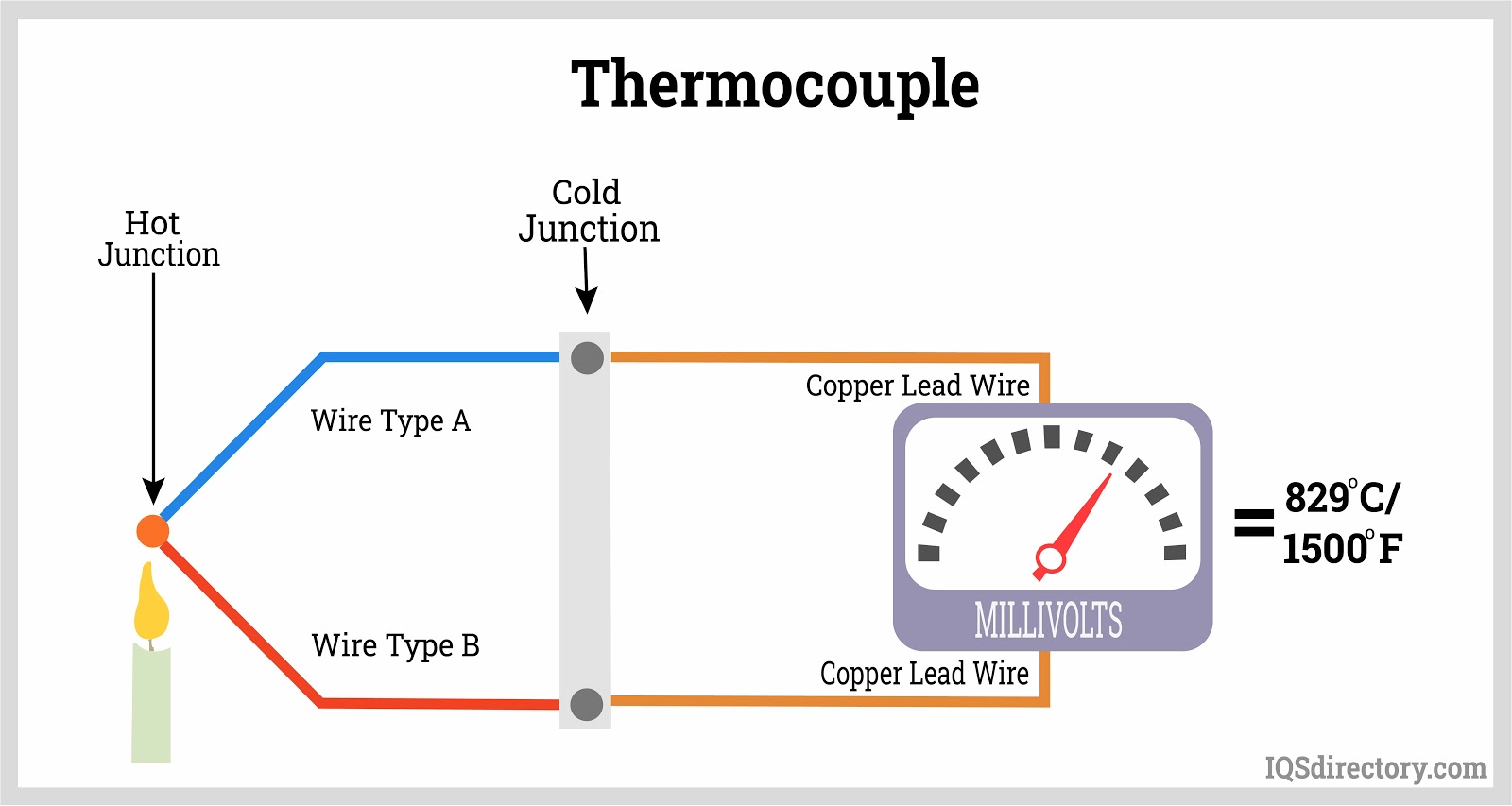
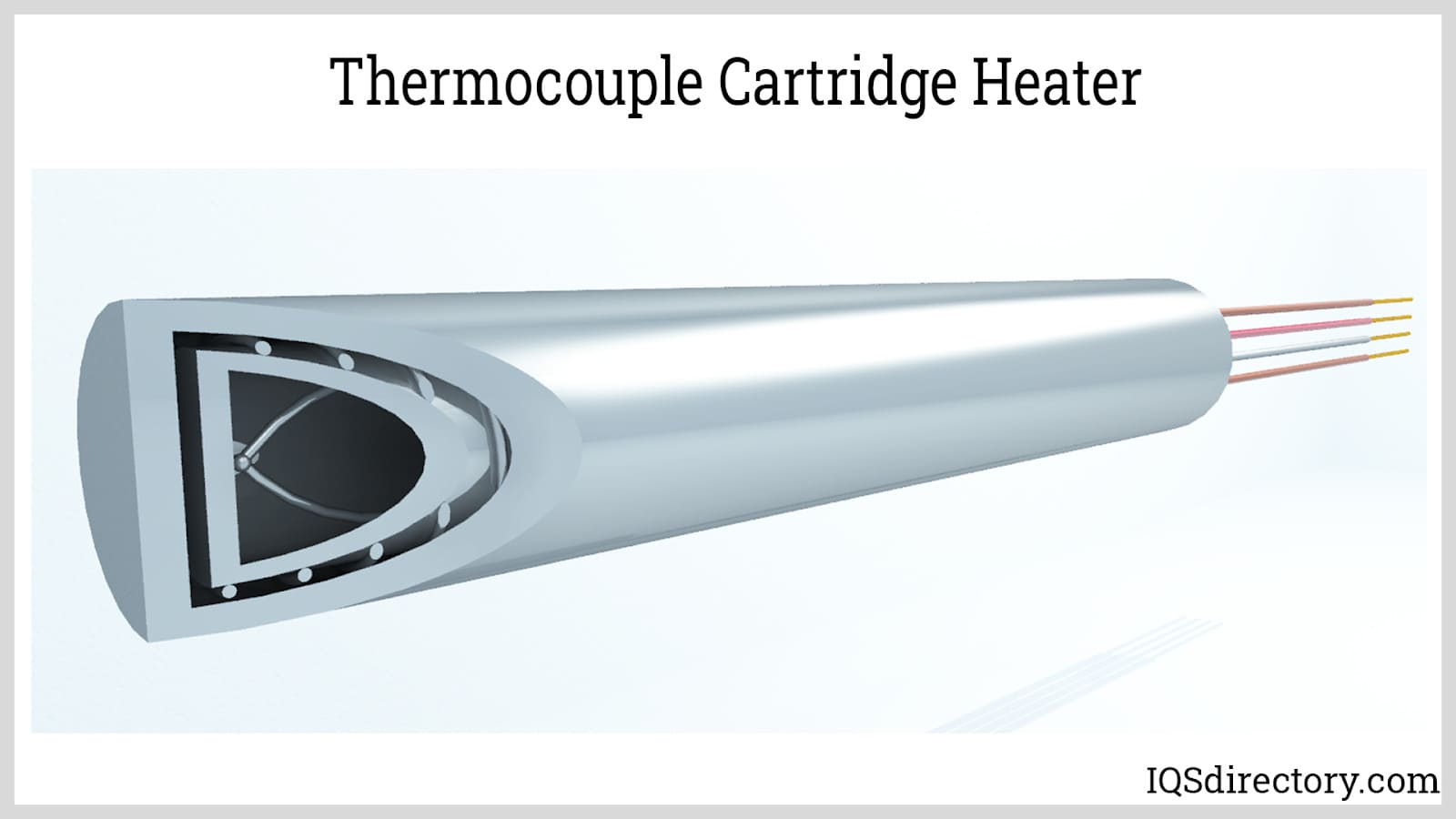
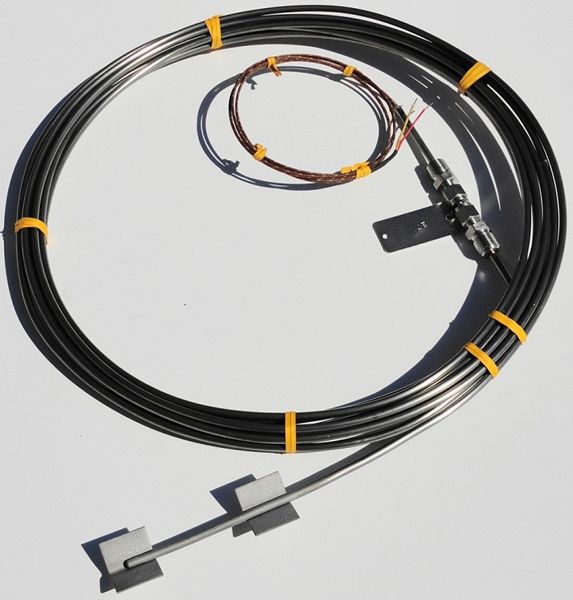
A water heater thermocouple is a vital component in gas-powered hot water systems. Engineered similarly to a standard type K thermocouple, it consists of two dissimilar metal alloy wires welded together at one end, forming a junction that functions as a temperature sensor. This sensor detects heat and generates a small voltage—typically 20 millivolts or less. When the thermocouple senses insufficient heat, it triggers the gas supply to shut off, preventing dangerous gas build-up and ensuring user safety.
Most thermocouples for water heaters are installed on the exterior of the water tank. Some feature an adjustable dial for setting desired water temperatures. As a trusted temperature sensor in both residential and light commercial applications, the water heater thermocouple plays a critical safety role by shutting off the gas supply if the pilot light goes out.
How Does a Water Heater Thermocouple Work?
The operation of a water heater thermocouple leverages the Seebeck effect, a phenomenon in which a voltage is produced when two dissimilar metals are joined together and exposed to a temperature difference. Here’s how it functions within a hot water system:
- Sensor Placement: The tip of the thermocouple is positioned directly in the hottest part of the pilot light flame, maximizing temperature accuracy.
- Electric Current Generation: When heated, the junction of the two wires produces a small electric current that travels through the wires to the control valve.
- Safety Control: If the thermocouple detects adequate heat, it keeps the gas valve open. If the pilot light goes out or heat levels drop, the thermocouple cuts off the gas supply to prevent unburned gas from accumulating.
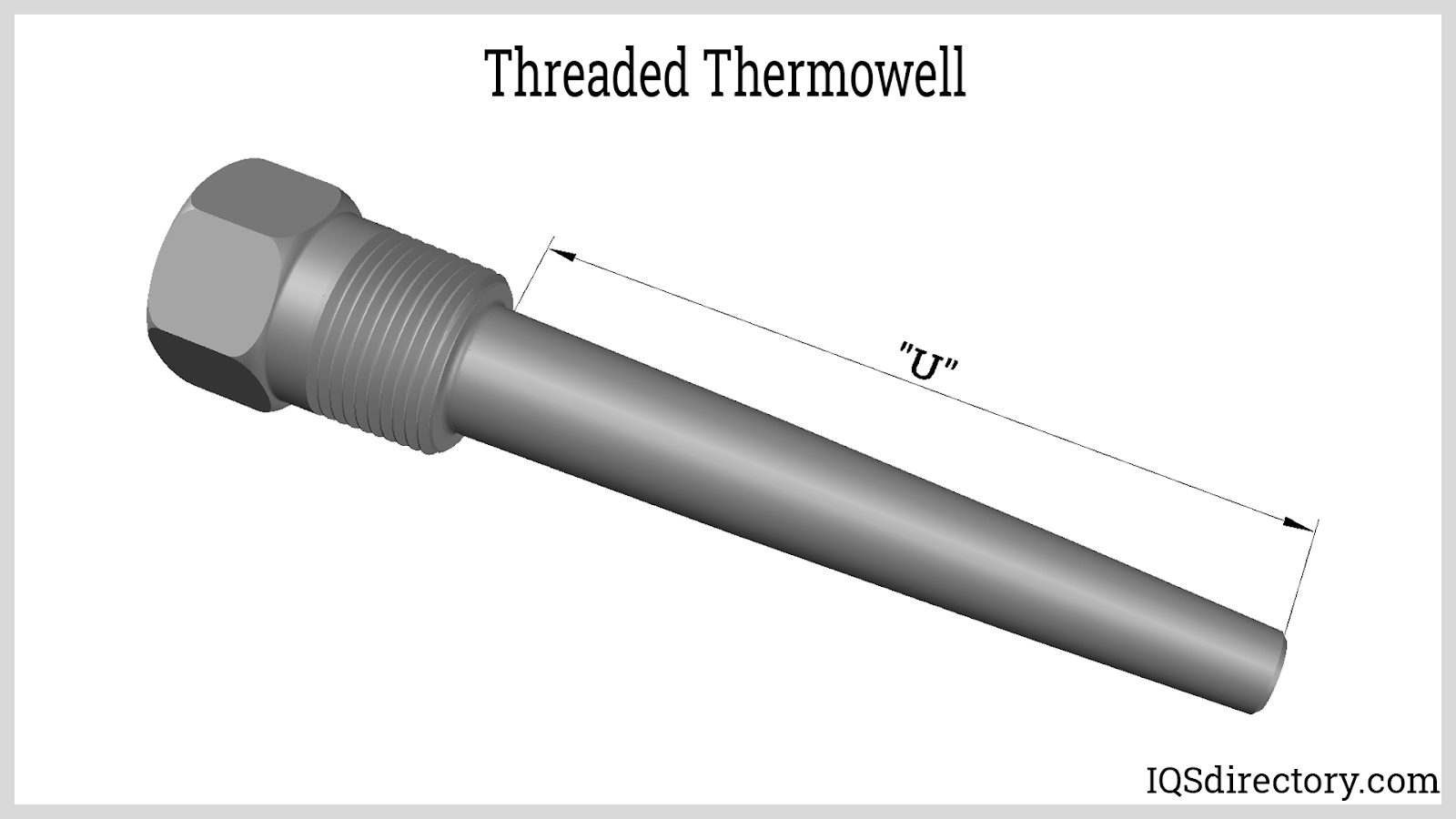
Sensors are protected by a metal sheath and connected via tubes or wires to the thermostat and gas control valve. This robust construction ensures long service life, reliability, and resistance to harsh operating conditions.
Key Applications of Water Heater Thermocouples
Thermocouples are widely used in:
- Residential hot water heaters: Homes with gas-powered water heaters rely on thermocouples for everyday safety and efficiency.
- Commercial water heating systems: Small businesses, offices, and retail stores with gas heaters utilize thermocouples for safe operation.
- Industrial hot water boilers: While less common, some industrial systems may use robust thermocouple assemblies for pilot light monitoring.
- Retrofit and replacement projects: Older systems can be upgraded with modern thermocouple assemblies to improve safety and performance.
Some newer models have replaced standing pilot lights and thermocouples with solid-state electronic ignition controls, but thermocouples remain a standard in many existing installations.
Benefits of Using a Thermocouple in Water Heaters
- Enhanced safety: Automatically shuts off the gas supply if the pilot light extinguishes, preventing dangerous gas leaks or explosions.
- Reliability: Thermocouples are simple, rugged, and have a proven track record in millions of households and commercial buildings.
- Cost-effective: Affordable replacement parts and low maintenance costs make thermocouples a practical solution.
- Easy to replace: Most water heater thermocouples are designed for straightforward installation and replacement, reducing downtime and repair costs.
- Compatibility: Available in a variety of lengths and fittings to suit different water heater models and brands.
Signs Your Water Heater Thermocouple Needs Replacement
Wondering if a faulty thermocouple is causing your water heater problems? Common symptoms include:
- The pilot light won’t stay lit, even after repeated attempts to relight it.
- The main burner fails to ignite or keeps shutting off unexpectedly.
- You notice erratic water heating or inconsistent hot water supply.
- Visible corrosion, soot, or damage to the thermocouple tip.
If you’re experiencing these issues, it may be time to replace your water heater thermocouple. For step-by-step instructions, see our thermocouple installation guide or consult your water heater’s owner manual.
How to Test a Water Heater Thermocouple
If you suspect your thermocouple is not functioning properly, you can perform a simple test:
- Turn off the gas supply to the water heater and allow it to cool down.
- Disconnect the thermocouple from the gas control valve.
- Using a multimeter set to millivolts, attach one probe to the thermocouple lead and the other to the copper sheath.
- Heat the tip with a lighter or torch. A healthy thermocouple should produce between 20-30 millivolts.
- If the reading is below specification, consider replacing the thermocouple.
Still have questions? How do you know if your water heater thermocouple is bad? Reach out to an HVAC professional or search for “water heater thermocouple troubleshooting” for more guidance.
Choosing the Right Water Heater Thermocouple
When selecting a replacement thermocouple, consider these critical factors:
- Type and compatibility: Ensure the thermocouple matches your water heater’s brand and model. Common types include universal, push-in, and screw-in thermocouples.
- Length: Measure the existing thermocouple to select the correct length, usually between 18 and 36 inches.
- Material: Look for thermocouples constructed with high-quality alloys for maximum durability and performance.
- Certification: Verify safety certifications such as UL or CSA listings for compliance with industry standards.
- Price and warranty: Compare options for value, and select products with a warranty for added peace of mind.
Need help finding the best water heater thermocouple for your needs? Explore our thermocouple product selection or contact our support team for personalized recommendations.
Installation: How to Replace a Water Heater Thermocouple
Replacing a faulty thermocouple is a straightforward DIY project for most homeowners. Here’s a step-by-step overview:
- Turn off the gas supply and wait for the water heater to cool.
- Remove the access panel to expose the burner assembly and thermocouple connection.
- Disconnect the old thermocouple from the control valve and bracket.
- Install the new thermocouple, making sure the tip is positioned correctly in the pilot flame.
- Reconnect the thermocouple to the gas control valve and test for proper operation.
- Check for gas leaks using a soapy water solution before relighting the pilot.
If you’re not comfortable performing these steps, always hire a licensed plumber or HVAC technician to ensure safe installation. For more detailed instructions, search for “how to install a water heater thermocouple” or refer to manufacturer resources.
Frequently Asked Questions About Water Heater Thermocouples
- What does a thermocouple do in a water heater? It acts as a safety device that senses the pilot flame and controls the gas supply to prevent unsafe gas accumulation.
- How often should I replace my thermocouple? Thermocouples typically last several years, but should be replaced if the pilot won’t stay lit or during routine maintenance.
- Are thermocouples universal? Some are, but always check compatibility with your specific water heater make and model.
- What’s the difference between a thermocouple and a thermopile? A thermopile is a series of thermocouples connected in series to generate more voltage, often used in newer gas appliances.
- Can I use a digital thermostat with a gas water heater thermocouple? Many modern systems now feature electronic controls, but compatibility depends on your heater’s design.
Water Heater Thermocouple vs. Electronic Ignition: Which Is Better?
Modern water heaters increasingly use electronic ignition systems instead of traditional pilot lights and thermocouples. Here’s how they compare:
- Thermocouple systems: Simple, reliable, and inexpensive. Best for traditional water heaters and retrofit applications.
- Electronic ignition systems: More energy-efficient and feature-rich, but may require professional servicing and upfront investment.
When deciding between thermocouple-based and electronic ignition water heaters, consider your priorities: upfront cost, maintenance, energy savings, and compatibility with existing gas plumbing. Read more: Comparing thermocouple and electronic ignition systems.
Common Troubleshooting Prompts: Search What Matters to You
- Why does my water heater pilot light keep going out?
- How do I test a water heater thermocouple with a multimeter?
- Where can I buy a replacement thermocouple for my brand of water heater?
- What are the signs of a failing thermocouple vs. a faulty gas valve?
- How much does it cost to replace a water heater thermocouple?
- How do I clean or maintain my water heater thermocouple?
Use these prompts to start your research or explore our knowledge base for expert advice.
Industry Standards and Compliance
Water heater thermocouples must conform to key industry standards for safety and performance. Look for:
- UL Listed: Products tested and certified by Underwriters Laboratories meet stringent safety and performance criteria.
- CSA Certified: Compliance with Canadian Standards Association regulations, important for North American installations.
- OEM specifications: Always use thermocouples approved by your water heater’s original equipment manufacturer for guaranteed fit and function.
Choosing certified thermocouples ensures your water heating system operates safely and efficiently. For more information about certifications, refer to manufacturer documentation or consult with licensed professionals.
Expert Tips: Maximizing Water Heater Safety and Efficiency
- Schedule annual inspection and maintenance of your water heater and its thermocouple to prolong system life.
- Keep the area around your water heater clean and free of dust and debris to prevent pilot light issues.
- Use only manufacturer-approved replacement parts to ensure safety and warranty compliance.
- If your water heater is over 10 years old, consider upgrading to a modern, energy-efficient unit with advanced safety features.
- For commercial users, consider periodic testing and documentation of thermocouple performance as part of a broader facility maintenance program.
Conclusion: Why Choose the Right Water Heater Thermocouple?
In summary, the water heater thermocouple is a small but critical safety device in gas-powered hot water systems. Understanding its function, applications, and maintenance best practices is essential for homeowners, contractors, and property managers alike. By selecting the right thermocouple, following installation guidelines, and adhering to safety standards, you can ensure reliable hot water delivery and peace of mind for years to come.
Ready to find the ideal thermocouple for your water heater? Browse our selection of thermocouple products, access installation resources, or contact our team for expert support.
Still have questions? Search our site for more on water heater thermocouple types, installation, troubleshooting, and best brands—or use our interactive prompts above to quickly find answers to your specific needs.