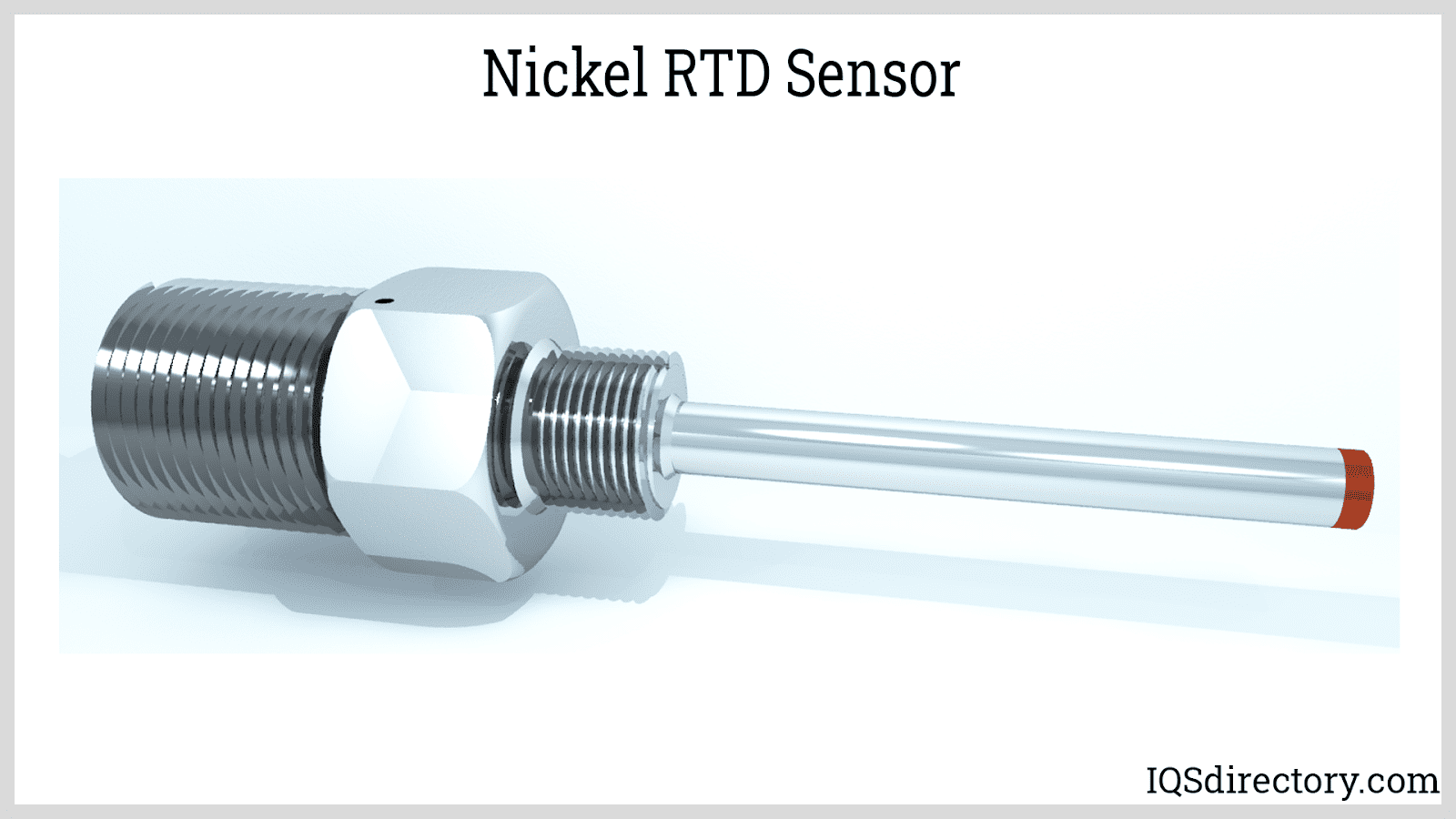
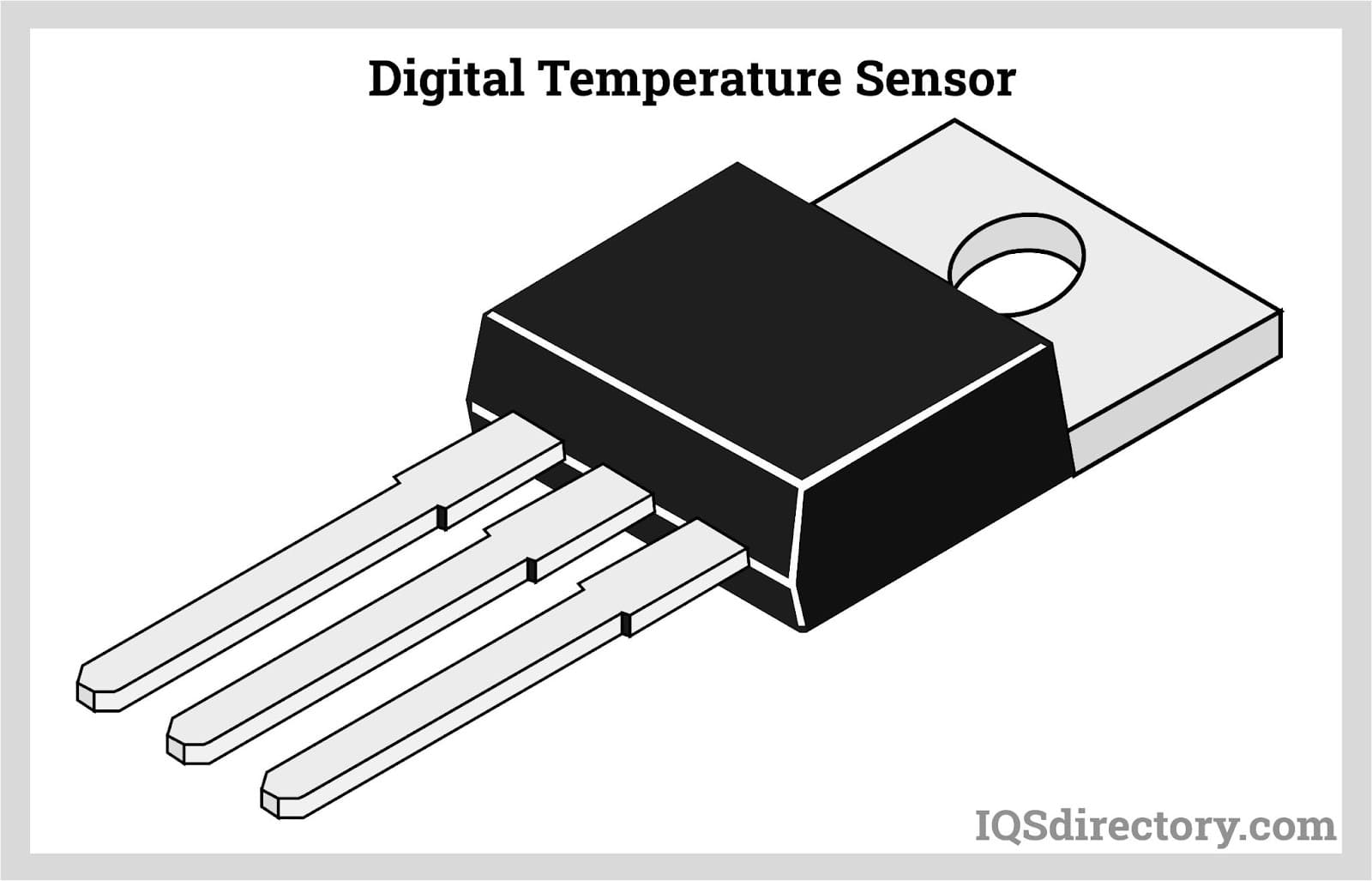
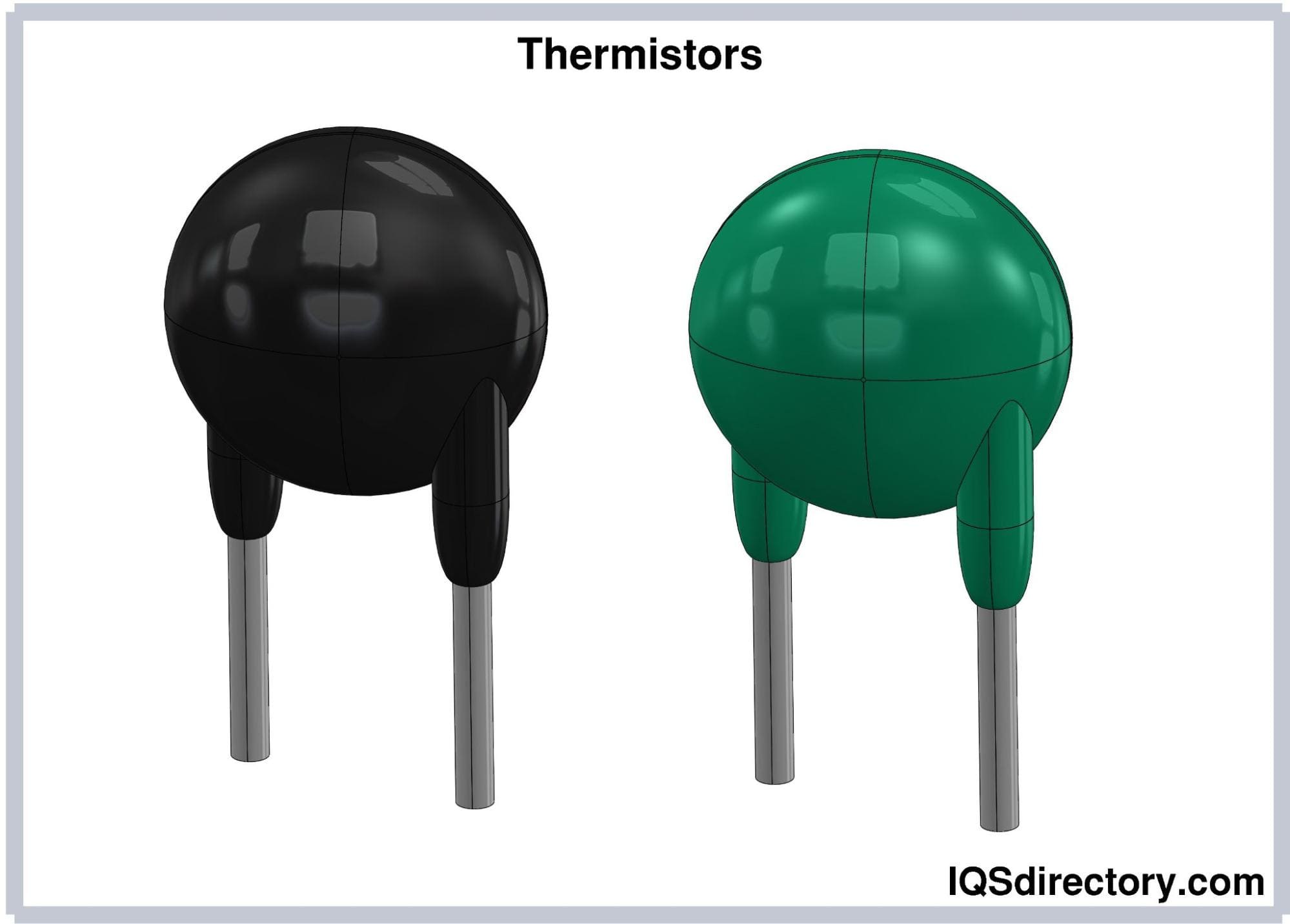
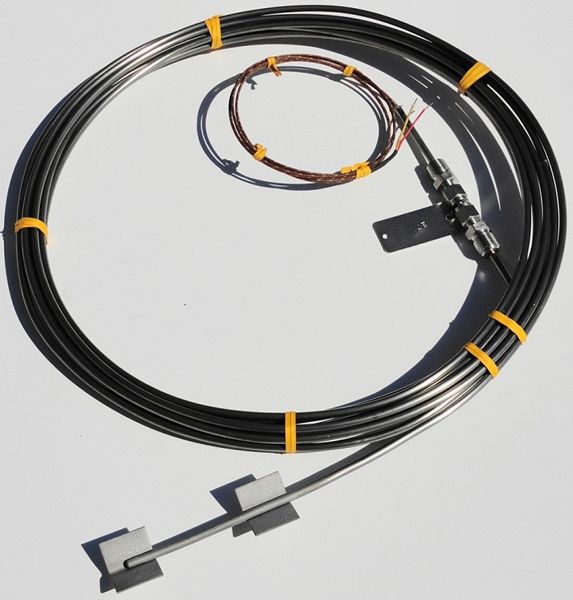
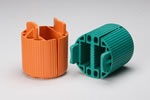
RTD devices measure temperature by proportionately changing resistance to temperature. RTD probes comprise an RTD sensing element, a housing or sheath, filler or epoxy, extension leads, and occasionally a connection or termination. There are various sensor materials available. Read More…
In business since 1972, Thermo Sensors Corporation is a leading thermocouple manufacturer of an array of many products and services.
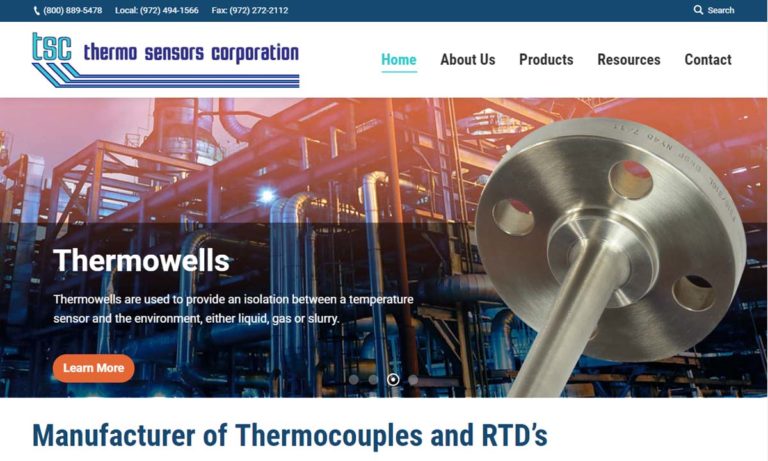
We manufacture a full line of Thermocouples to fit your application. Temperatures from cryogenic to 4000F, and sizes ranging from needle thin to several thousand pound multipoint temperature sensors.

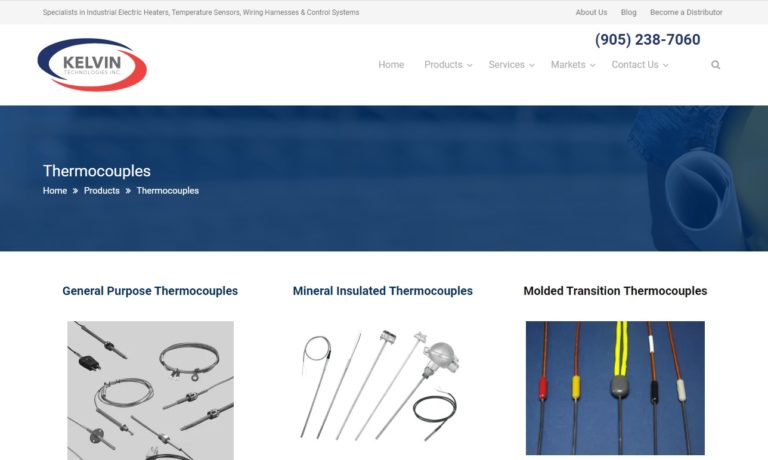
Kelvin Technologies is a high-quality thermocouple manufacturer, representative, and distributor for all of your electrical heating, temperature controlling, and temperature sensing requirements. Our products are engineered and manufactured in-house to address specific requirements, such as higher temperatures and more compact profiles. With over 100 years of combined experience, all of us at...
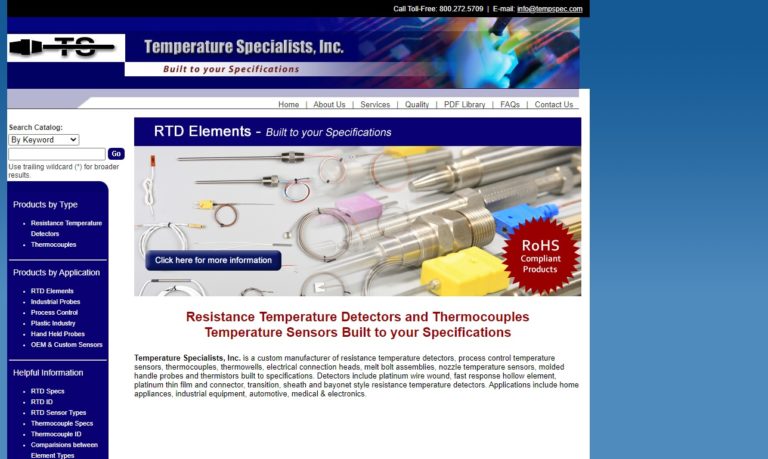
Temperature Specialists, Incorporated is a manufacturer of quality thermocouples. Temperature Specialists provide solutions for your sensing needs by building to meet your specifications. Feel free to visit their comprehensive and helpful website for full descriptions of their state-of-the-art line of quality products and services or call their experts with any questions.
Since 1971, Thermalogic has been a leading manufacturer of electronic temperature and humidity control and sensors. Here at Thermalogic we work with our clients in a partnership to build a lasting business relationship. All of our products have quick turnaround times, including custom designs, and are thoroughly tested prior to being sent out. At Thermalogic we pride ourselves on our high...




More RTD Sensor Manufacturers
Comprehensive Guide to RTD Temperature Probes and Sensors
RTD (Resistance Temperature Detector) temperature probes and sensors are indispensable sensing devices widely used for precise temperature measurement in industrial, commercial, laboratory, and process control applications. By providing reliable, accurate, and repeatable temperature readings, RTD sensors have become a standard solution in sectors such as manufacturing, chemical processing, food and beverage, HVAC, pharmaceuticals, oil and gas, and power generation.
As a result of their robust design and high reliability, RTD temperature probes and sensors can function effectively in various applications across numerous sectors, including environments that are subject to harsh conditions, vibration, chemicals, and wide temperature extremes. Their versatility and performance make them a preferred choice for engineers, quality assurance professionals, and process operators seeking consistent thermal monitoring and control.
What is an RTD Sensor?
An RTD sensor is a device that measures temperature by correlating the resistance of the RTD element—typically made from platinum, nickel, or copper—to temperature. As temperature increases, the resistance of the element increases in a predictable way. This resistance-temperature relationship offers a high degree of accuracy, stability, and repeatability, making RTDs ideal for critical temperature measurement and monitoring applications.
- Common RTD elements: Platinum (Pt100, Pt1000), Nickel, Copper
- Key benefits: High accuracy, long-term stability, excellent linearity, repeatable performance
- Typical applications: Industrial process control, HVAC systems, laboratory equipment, food production, energy management, and environmental monitoring
Working Principle of RTD Sensors
The operation of an RTD sensor is based on the predictable increase in electrical resistance of certain metals as temperature rises. The resistance-temperature connection of the metal used in creating RTD sensors is the foundation for its function. The detector is precisely calibrated following the measurement of the change in resistance value that results from each degree increase in temperature.
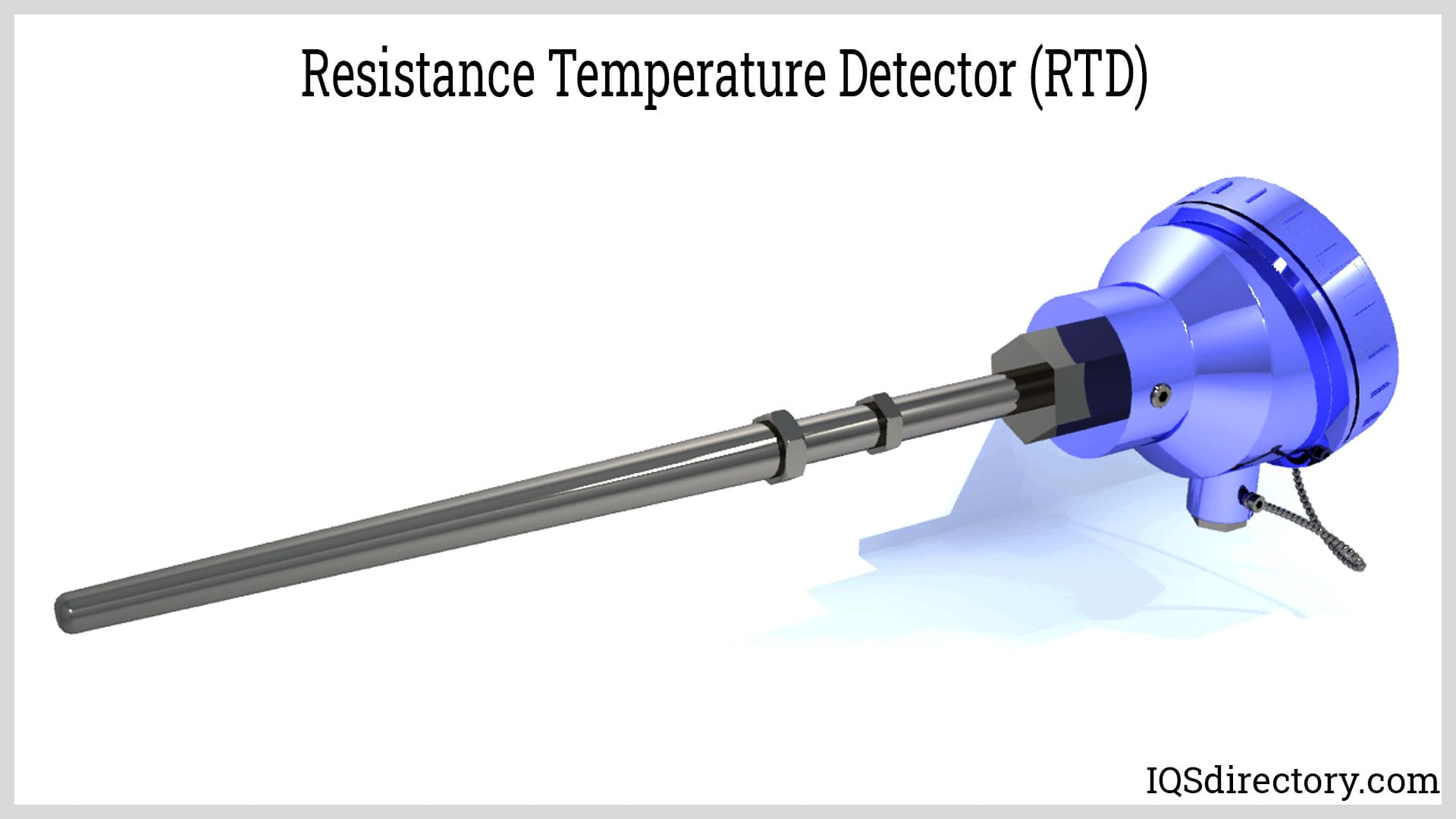
Because resistive elements are brittle, insulation is usually necessary. Therefore, the element is linked to insulator leads. For temperatures under 250°C, PVC is used with insulators, such as molds. As an outer covering, a metal alloy unreactive to temperature is utilized to house the leads and measuring device, protecting the sensitive RTD element from mechanical damage and environmental exposure.
The temperature gradient of the sensor is the range from 0°C to a temperature margin in which the change is linear. The type of cable the sensor uses will determine this. The temperature range for platinum is up to 660°C, while the range for nickel is up to 300°C. The choice of RTD element material and construction type will influence the sensor’s accuracy, durability, and suitability for specific temperature measurement scenarios.
How Does an RTD Sensor Work?
RTD sensors operate on the principle that the electrical resistance of metals increases with temperature. The core sensing element, often a fine wire or thin film of platinum, is incorporated into a circuit. As the temperature of the element rises or falls, its resistance correspondingly changes. An external measurement device or temperature transmitter then interprets these resistance changes as temperature readings. This simple yet precise operation underpins the widespread use of RTDs in scientific, industrial, and commercial settings.
Types of RTD Sensors and Their Applications
When selecting an RTD temperature sensor for your application, understanding the different types and their unique advantages is crucial. The construction style, element material, and packaging all influence the sensor’s performance, durability, and cost. Here’s an in-depth look at the main RTD sensor types and their respective use cases:
Wire-Wound RTD Sensors
Wire-wound RTD sensors utilize fine wires made from metals such as platinum, copper, or nickel, which are wound around an insulating core—often made of glass or ceramic. This construction allows for a longer length of resistance wire, increasing sensitivity and accuracy, especially over a wide temperature range.
- Advantages: Exceptional accuracy, excellent stability, and repeatability across large temperature spans
- Typical use cases: Laboratory calibration standards, critical process control, aerospace, and power generation
- Considerations: More expensive due to platinum content, can be sensitive to vibration and mechanical stress
Thin Film RTD Sensors
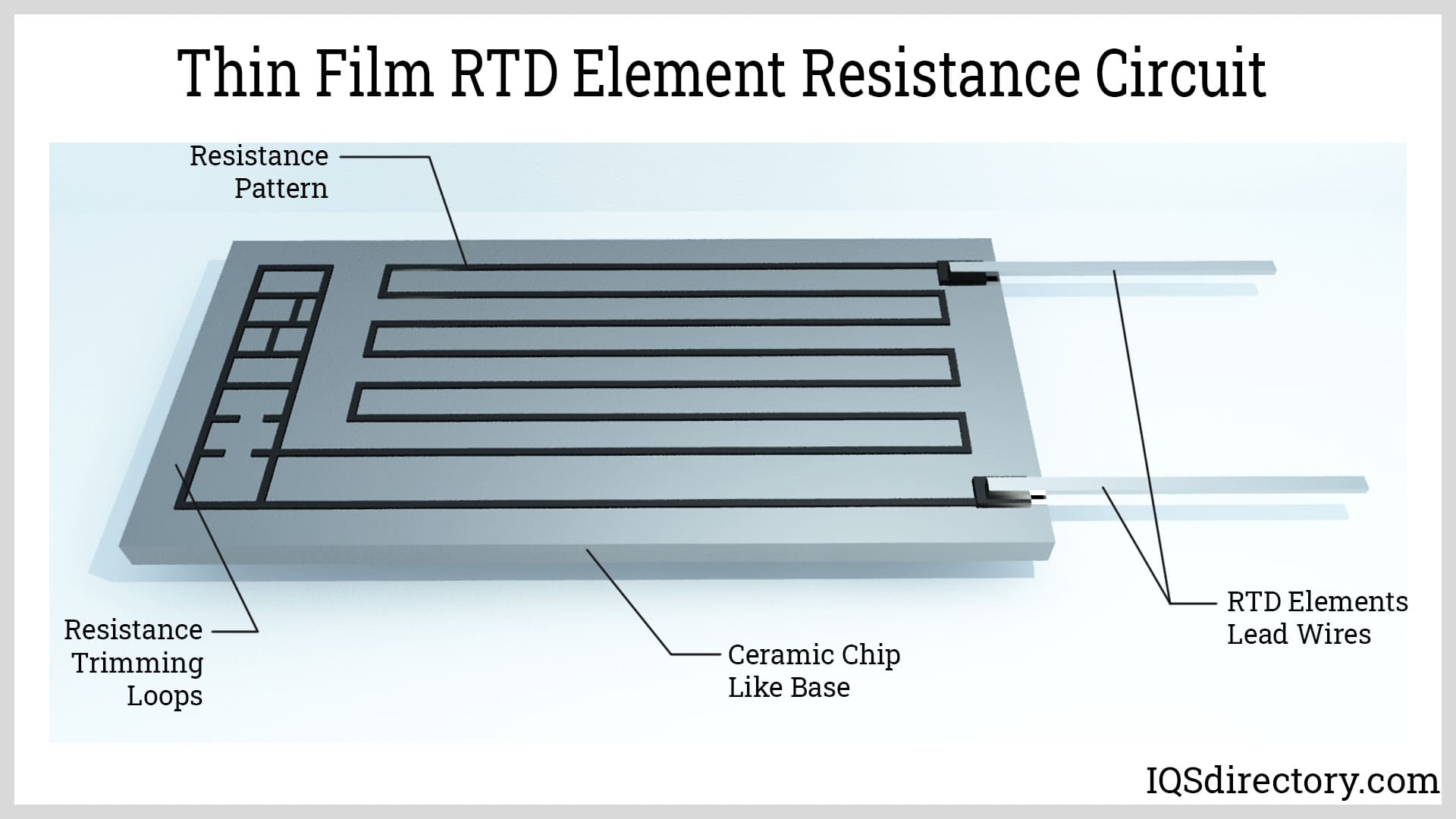
Thin film RTDs are fabricated by depositing a thin layer of platinum onto a ceramic substrate. The design etched into the RTD element forms an electrical circuit, providing a compact, robust, and cost-effective sensor with a near-linear resistance vs. temperature relationship.
- Advantages: Low cost, compact size, fast thermal response, good accuracy
- Use cases: General industrial automation, medical devices, automotive sensors, electronics cooling
- Industry standards: Platinum RTDs often conform to European benchmark DIN/IEC 60751
Strain-Free RTD Sensors
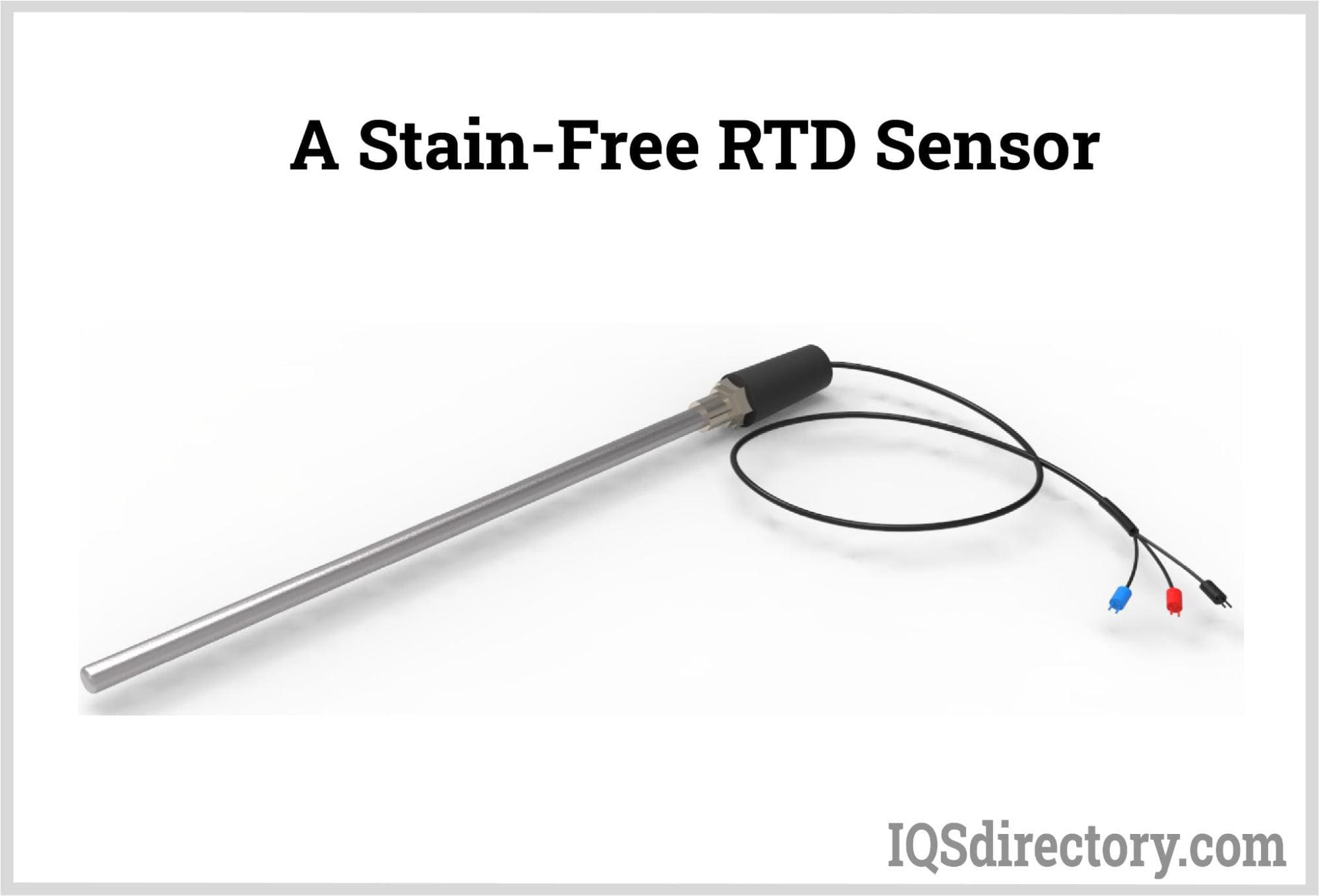
Strain-free RTDs also utilize wire coils, but these are suspended within a sealed housing filled with inert gas, rather than being encapsulated in glass or ceramic. This design allows the platinum wire element to expand and contract freely as temperature changes, minimizing mechanical strain and ensuring long-term measurement stability.
- Advantages: High long-term stability, minimal hysteresis, exceptional accuracy
- Applications: Precision laboratory instruments, calibration standards, scientific research
- Drawbacks: Poor mechanical support makes them susceptible to shock and vibration
Carbon Resistor RTDs
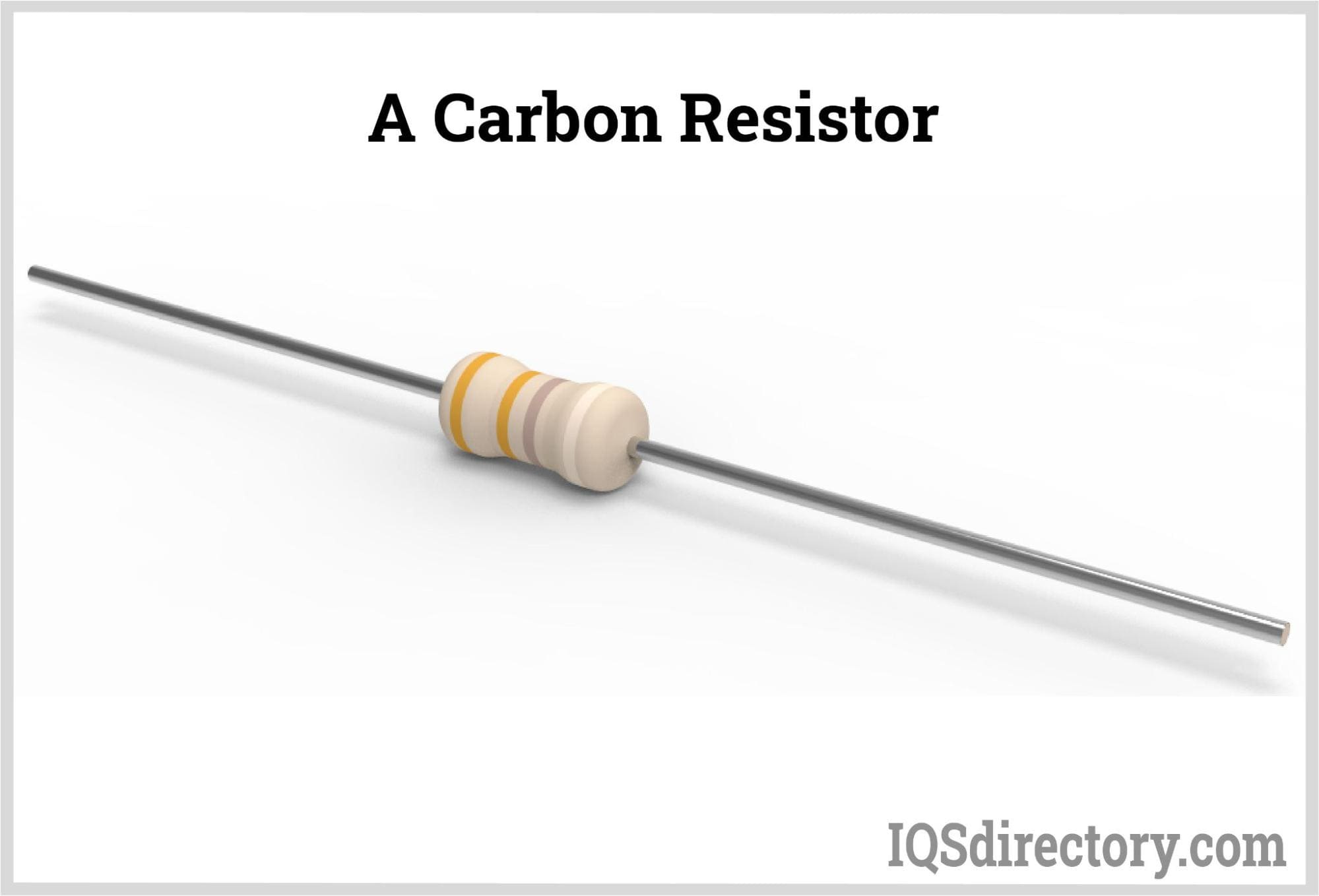
Carbon resistor RTDs are based on the temperature-dependent resistance of carbon materials. These sensors are highly affordable but are generally limited to low-temperature applications due to their material properties and limited accuracy at higher temperatures.
- Advantages: Very low cost, simple construction
- Best for: Applications requiring economical temperature sensing at low to moderate temperatures
- Limitations: Lower accuracy and stability compared to platinum or thin film RTDs
RTD Sensor Construction and Materials
RTD sensors can be customized based on application needs, ranging from flexible wire-wound elements to rugged industrial probes with protective sheaths. Critical construction factors to consider include:
- Element material: Platinum (the most common for industrial sensors, such as Pt100 and Pt1000), nickel, copper, and carbon
- Lead wire configuration: 2-wire, 3-wire, and 4-wire systems for compensating lead resistance and maximizing measurement accuracy
- Insulation and sheath materials: PVC, PTFE (Teflon), silicone rubber, stainless steel, Inconel, and other alloys for environmental protection
- Probe design: Surface mount, immersion, insertion, and air temperature probes for diverse applications
Why Choose Platinum RTDs?
Platinum RTD elements (Pt100, Pt1000) are renowned for their high accuracy, excellent stability, and superior linearity across a wide temperature range. Platinum’s chemical inertness and predictable resistance-temperature relationship make it the industry standard for demanding industrial, laboratory, and scientific applications. For mission-critical measurement tasks, platinum RTDs are the preferred choice.
Key Considerations When Choosing an RTD Sensor
When specifying or selecting an RTD temperature sensor for your process or equipment, consider the following critical factors to ensure optimal performance, longevity, and cost-effectiveness:
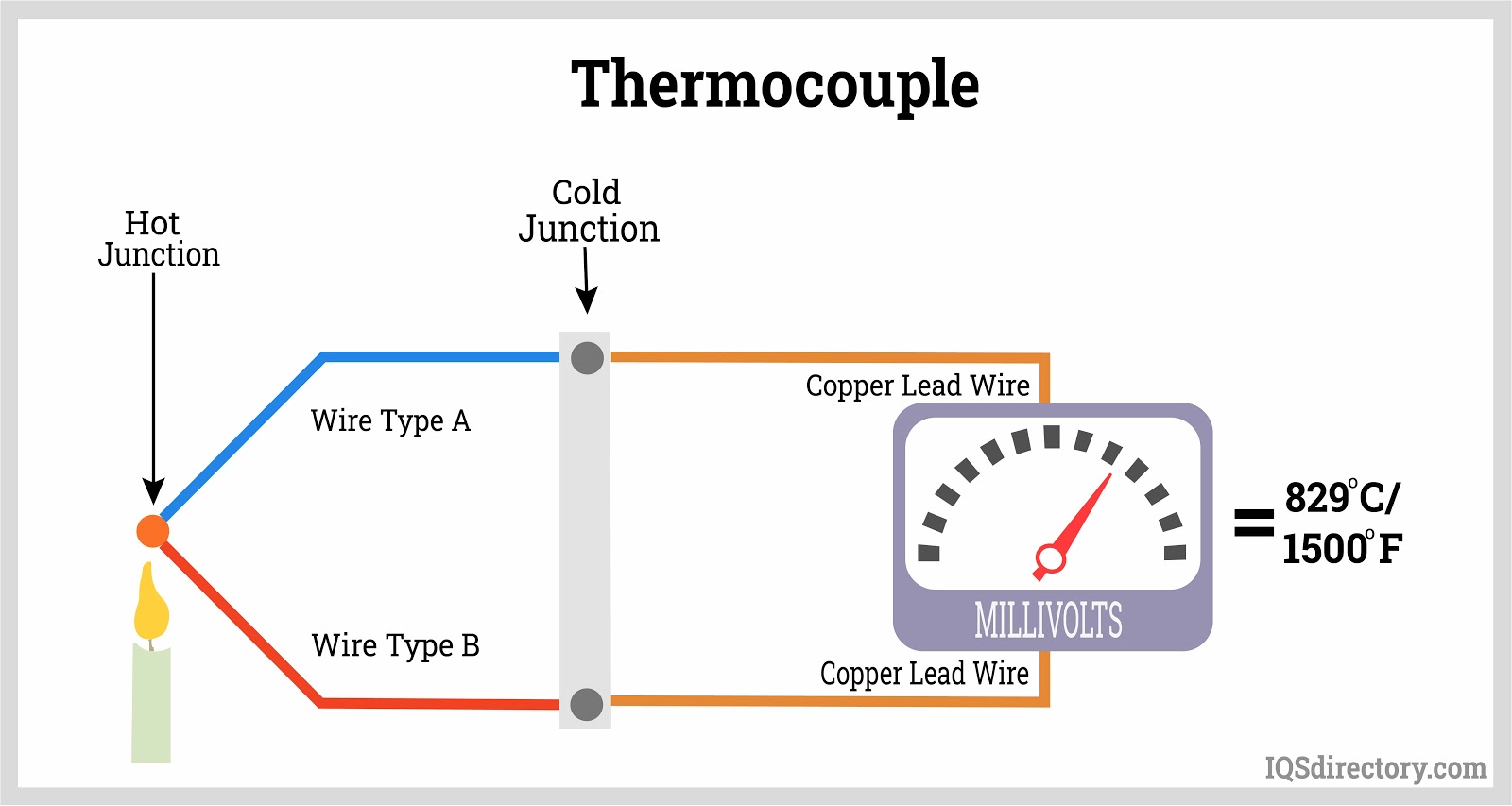
- Measuring range: RTDs can detect temperatures up to 1000°C, but obtaining precise readings above 400°C is challenging. Thermocouples (TCs) can measure up to 1700°C. As a rule, for precision measurement, use an RTD for temperatures below 850°C; for higher temperatures, use a TC.
- Accuracy requirements: Evaluate the tolerance class of the RTD (e.g., Class A, Class B per IEC 60751) to match your process needs.
- Environmental conditions: Consider exposure to chemicals, moisture, vibration, or mechanical stress. Choose appropriate housing or sheath to protect the sensor.
- Response time: Thin film RTDs generally offer faster response, while wire-wound types provide higher stability for slower-changing environments.
- Installation method: Select from surface mount, immersion, penetration, or clamp-on designs based on your temperature measurement point.
- Output signal: RTDs output resistance, requiring a compatible transmitter or temperature controller for process integration.
Manufacturers often offer RTD sensors attached to insulated leads if they are designed to be submerged in cold temperatures. Silicone rubber, polyvinyl chloride, or PTFE (polytetrafluoroethylene) often create these insulated lines. Additionally, producers frequently encase RTD sensors in shielding, unreactive metal alloy sleeves. When choosing housings or sheaths, ensure they protect the sensors from external damage such as chemical exposure, wind, rain, and other environmental variables.
Frequently Asked Questions About RTD Sensors
- What factors affect RTD sensor accuracy?
Element material, lead wire configuration (2-wire vs. 3-wire vs. 4-wire), installation, and calibration all impact measurement precision. - How do RTDs compare to thermocouples?
RTDs offer higher accuracy and stability but have a more limited temperature range and typically higher cost. Thermocouples are best for extremely high temperatures or rapid response needs. - What is the difference between Pt100 and Pt1000 RTDs?
Both use platinum elements. Pt100 sensors have 100 ohms resistance at 0°C, while Pt1000 sensors have 1000 ohms. Pt1000s are often preferred for long cable runs due to lower lead resistance error. - How do I choose the right RTD sensor for my application?
Consider temperature range, accuracy, environment, response time, installation needs, and output signal compatibility. Consult with an experienced RTD manufacturer or distributor for application-specific recommendations.
RTD Sensor Applications Across Industries
RTD sensors are trusted temperature measurement devices in a wide range of industrial and commercial sectors. Their reliability, accuracy, and flexibility make them ideal for:
- Industrial automation: Process control, machinery temperature monitoring, safety and alarm systems
- Food and beverage: Monitoring cooking, storage, and refrigeration temperatures to ensure safety and quality
- Pharmaceutical and biotechnology: Precise temperature measurement for reactors, incubators, and cleanrooms
- Power generation: Generator winding, bearing, and transformer temperature monitoring
- Oil and gas: Monitoring pipeline, storage tank, and process equipment temperatures
- HVAC: Building climate control, air duct and chilled water system monitoring
- Automotive: Engine, exhaust, and battery temperature management
- Environmental monitoring: Weather stations, soil temperature measurement, and research
- Laboratory instrumentation: Calibrated reference probes, scientific analysis equipment
Looking for Industry-Specific RTD Sensor Solutions?
Are you searching for high-accuracy RTD sensors for food processing, or do you need industrial-grade temperature probes for hazardous environments? Explore our RTD sensor directory to find manufacturers and suppliers specializing in solutions tailored to your sector’s requirements. Contact us for expert guidance.
Benefits of Using RTD Sensors
RTD temperature sensors offer numerous advantages that make them the preferred temperature measurement solution across industries:
- High accuracy and repeatability: Ideal for applications where precision thermal data is critical
- Excellent stability: Minimal drift over time, ensuring reliable long-term performance
- Wide temperature range: Suitable for both low and moderate temperature environments
- Linearity: Predictable, linear resistance change enables easier calibration and integration
- Ruggedness: Industrial RTD probes can be engineered for harsh and hazardous environments
- Customizable: Can be tailored with different probe lengths, diameters, sheaths, and connection types
- Compatibility: Easily integrated with temperature transmitters, controllers, and automation systems
What Are the Main Advantages of Platinum RTDs Over Thermocouples?
Platinum RTDs outperform thermocouples in terms of measurement accuracy, stability, and repeatability, especially within the -200°C to 600°C range. They are less susceptible to electrical noise and can be installed with three- or four-wire configurations to further minimize error. For processes demanding high-precision temperature measurement and control, platinum RTDs are the sensor of choice.
How to Select the Right RTD Sensor Manufacturer
To ensure the best outcome when purchasing RTD sensors, it is important to compare multiple manufacturers to find the best fit for your application and budget. Our RTD sensor directory makes it easy to:
- Compare at least 4 reputable RTD sensor manufacturers
- Review detailed business profile pages highlighting experience, certifications, and capabilities
- Use our proprietary website previewer to quickly assess each manufacturer’s product range and specialization
- Contact manufacturers directly through our streamlined RFQ form to request quotes or technical information
When evaluating RTD sensor manufacturers, consider factors such as:
- Product quality and certifications (such as ISO 9001, RoHS, ATEX)
- Customization options for probe design, element type, and connection method
- Lead times, technical support, and after-sales service
- Industry experience and reputation for reliability
- Competitive pricing and value-added services
Ready to Request a Quote or Need Technical Assistance?
Not sure which RTD sensor is right for your project? Contact our experts for personalized recommendations or submit an RFQ to multiple suppliers for the best pricing and support.
RTD Sensor Standards and Compliance
When sourcing RTD sensors, it’s essential to ensure compliance with international standards for accuracy, safety, and interoperability:
- IEC 60751: Defines the characteristics and tolerances for industrial platinum RTDs (Pt100, Pt1000)
- DIN EN 60751: European standard for platinum resistance thermometers
- ASTM E2877 and ASTM E1137: North American standards for RTD construction and calibration
- RoHS and REACH: Environmental compliance for sensor materials
Compliance ensures measurement reliability, process safety, and regulatory approval for your installation.
RTD Sensor Installation and Maintenance Best Practices
Proper installation and periodic maintenance are crucial for maximizing the performance and lifespan of your RTD sensors:
- Follow manufacturer guidelines for probe placement, depth, and mounting orientation
- Use compatible extension cables and connectors to minimize signal interference
- Regularly inspect sensors for mechanical damage, moisture ingress, or corrosion
- Calibrate RTD sensors periodically to maintain measurement accuracy
- Document sensor installation locations and wiring for future maintenance
Explore More About RTD Sensors
- How do RTDs compare to thermocouples for industrial temperature measurement?
- What are best practices for calibrating RTD sensors?
- Which RTD probe types are recommended for food safety monitoring?
- How do I install RTD sensors in hazardous or corrosive environments?
- Troubleshooting common RTD sensor issues and failures
- Find trusted RTD sensor manufacturers and suppliers
Contact Us for Expert Guidance
Whether you’re specifying a single RTD temperature sensor or developing a complex temperature monitoring system, our team of experts is ready to help you select the right product for your needs. Contact us today for technical support, custom solutions, or to request a quote from leading RTD sensor manufacturers.
Looking to deepen your understanding of industrial temperature measurement? Explore our knowledge base for in-depth guides on RTD sensor calibration, comparison with thermocouples, and integration with industrial automation systems.