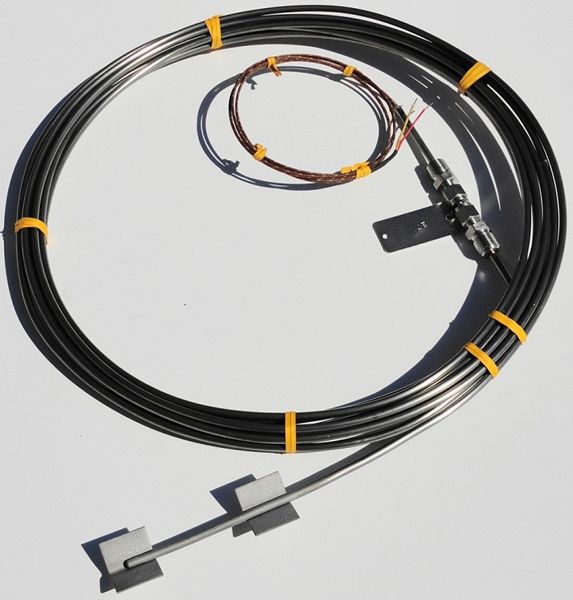
Temperature probes, commonly known as thermocouples, play a vital role in measuring temperature accurately in various industries and fields. These versatile devices are extensively used for temperature sensing in applications ranging from industrial processes to scientific experiments. By understanding the components, variations in design, and applications of temperature probes, we can appreciate their significance in modern temperature measurement. Read More…
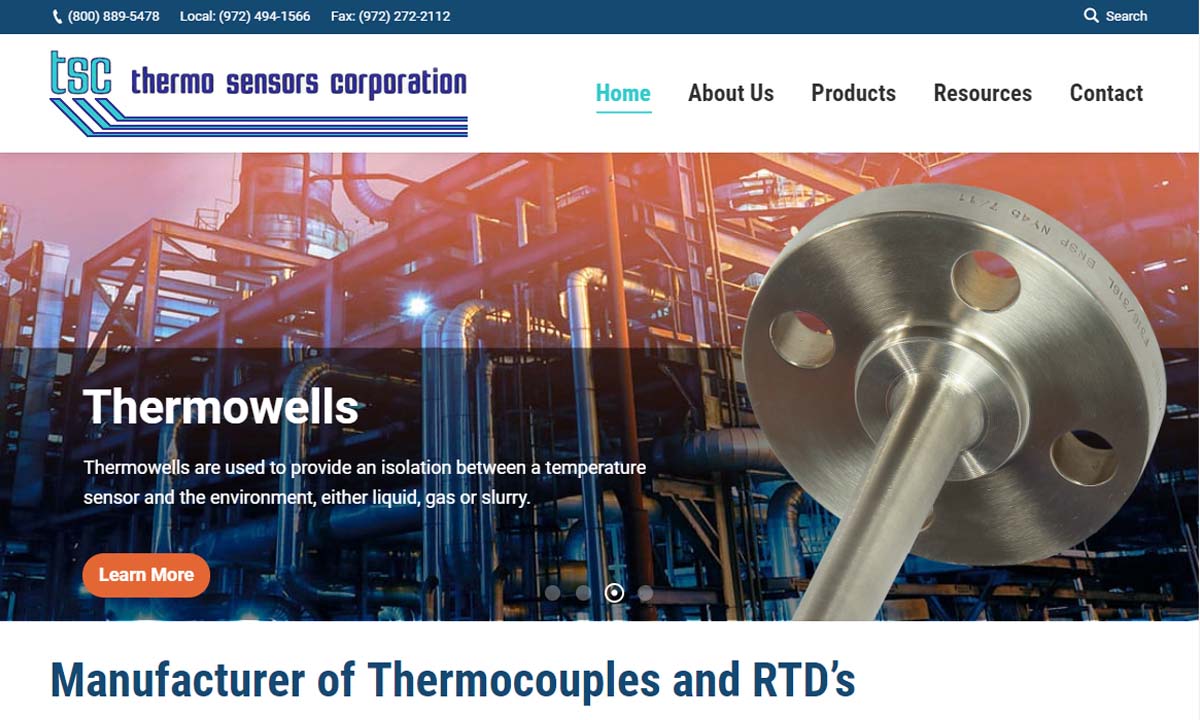
In business since 1972, Thermo Sensors Corporation is a leading thermocouple manufacturer of an array of many products and services.
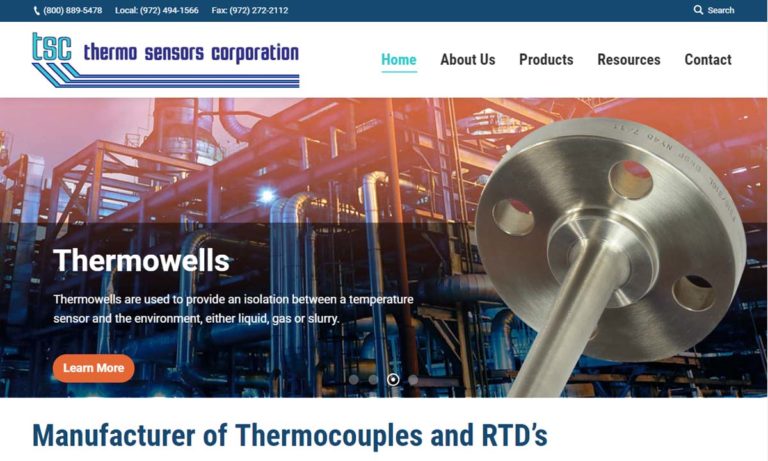
We manufacture a full line of Thermocouples to fit your application. Temperatures from cryogenic to 4000F, and sizes ranging from needle thin to several thousand pound multipoint temperature sensors.
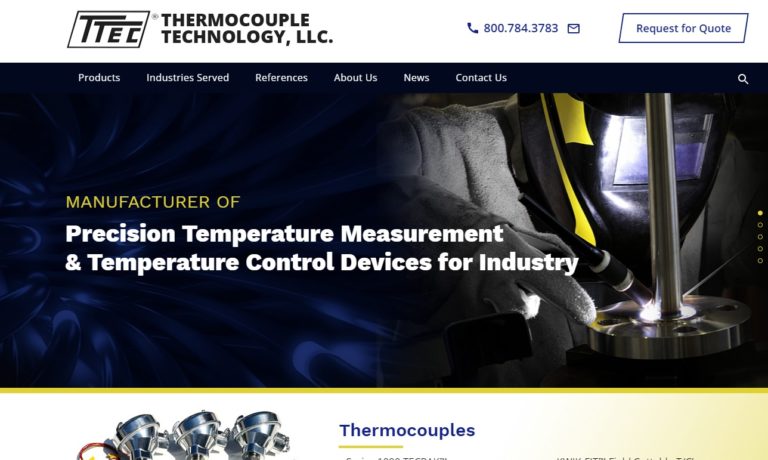
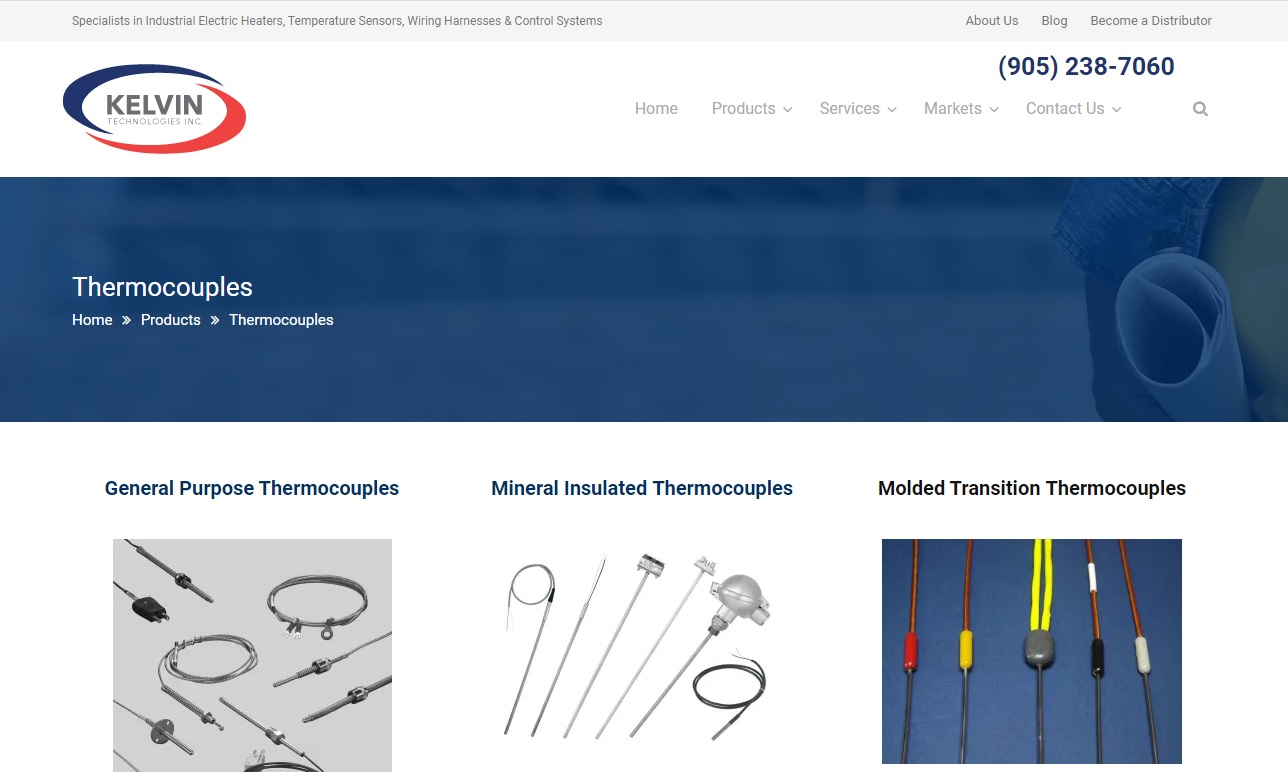
Kelvin Technologies is a high-quality thermocouple manufacturer, representative, and distributor for all of your electrical heating, temperature controlling, and temperature sensing requirements. Our products are engineered and manufactured in-house to address specific requirements, such as higher temperatures and more compact profiles. With over 100 years of combined experience, all of us at...
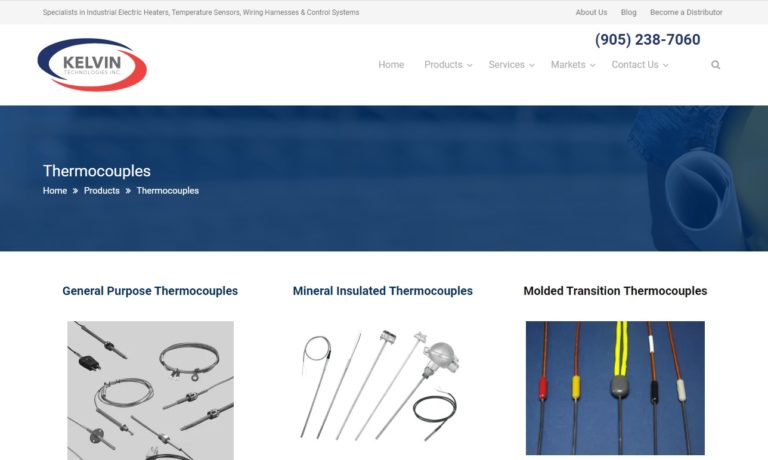
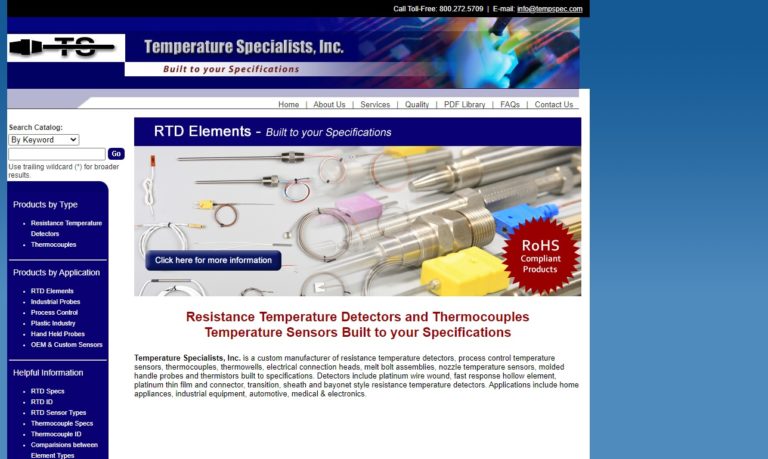
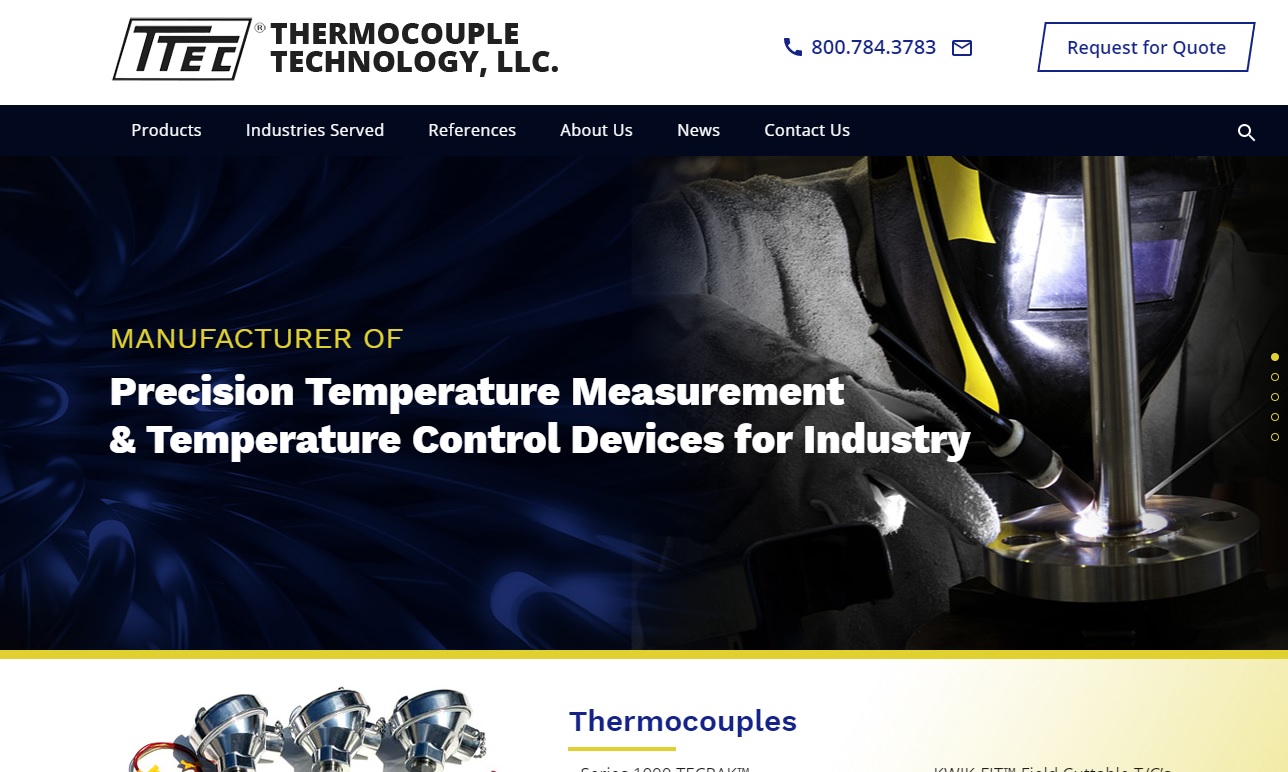
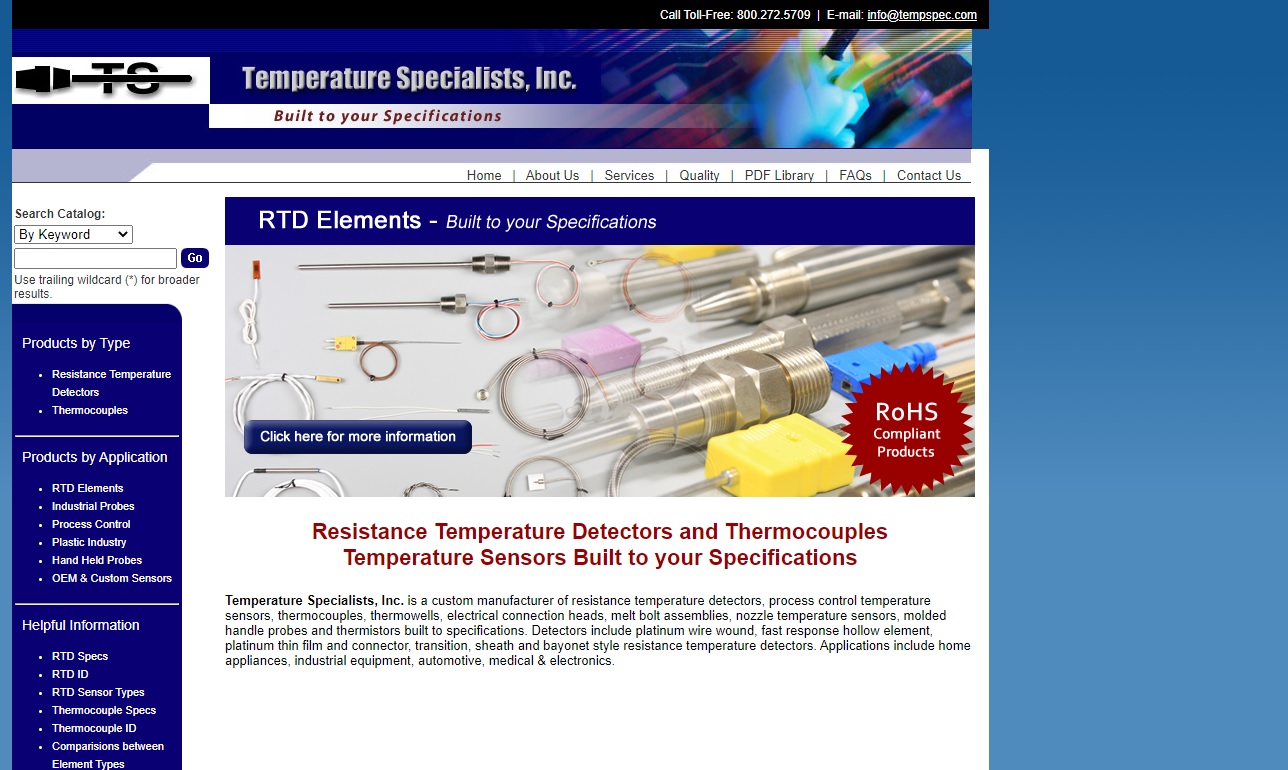
Temperature Specialists, Incorporated is a manufacturer of quality thermocouples. Temperature Specialists provide solutions for your sensing needs by building to meet your specifications. Feel free to visit their comprehensive and helpful website for full descriptions of their state-of-the-art line of quality products and services or call their experts with any questions.
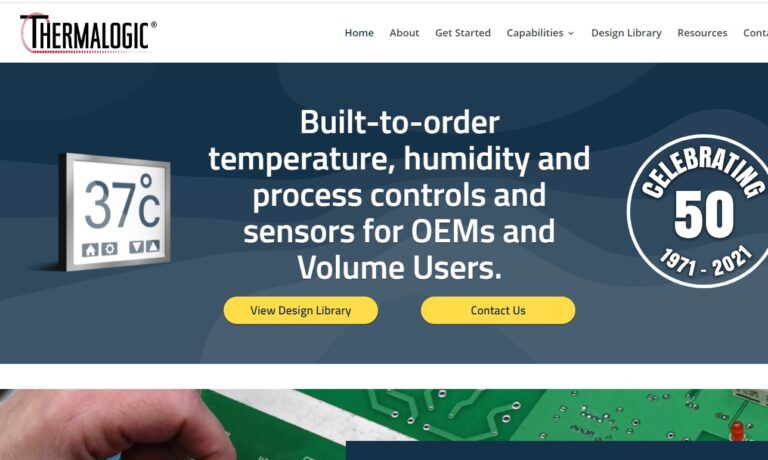
Since 1971, Thermalogic has been a leading manufacturer of electronic temperature and humidity control and sensors. Here at Thermalogic we work with our clients in a partnership to build a lasting business relationship. All of our products have quick turnaround times, including custom designs, and are thoroughly tested prior to being sent out. At Thermalogic we pride ourselves on our high...

More Temperature Probe Manufacturers
Components and Working Principles of Temperature Probes
Temperature probes are precision instruments designed to monitor, control, and record temperature in a vast array of applications. At their core, temperature probes consist of several essential components that work in tandem to ensure accurate temperature measurement. The primary sensing element can be a thermocouple, resistance temperature detector (RTD), or thermistor, each offering unique characteristics suitable for various use cases.
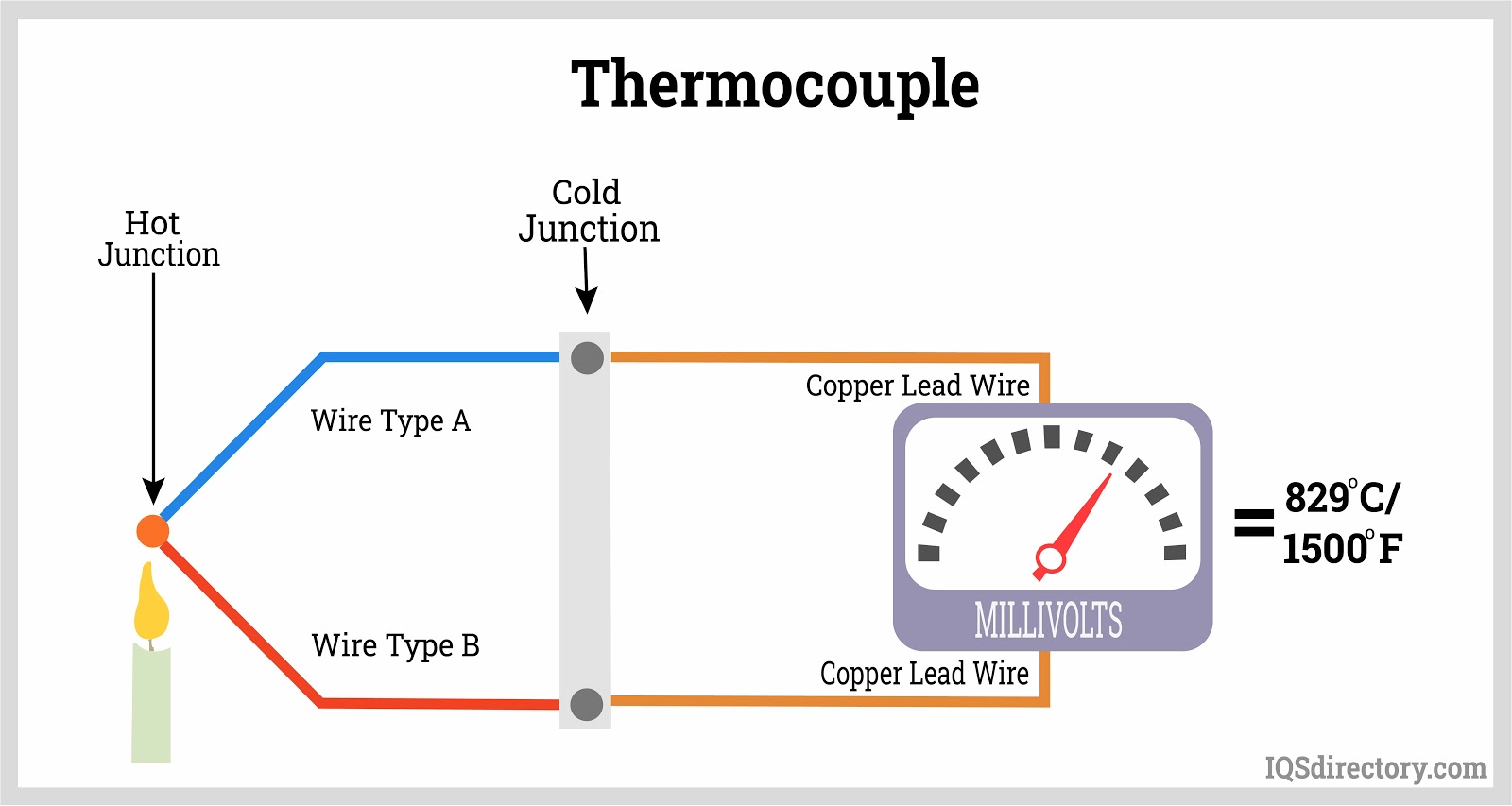
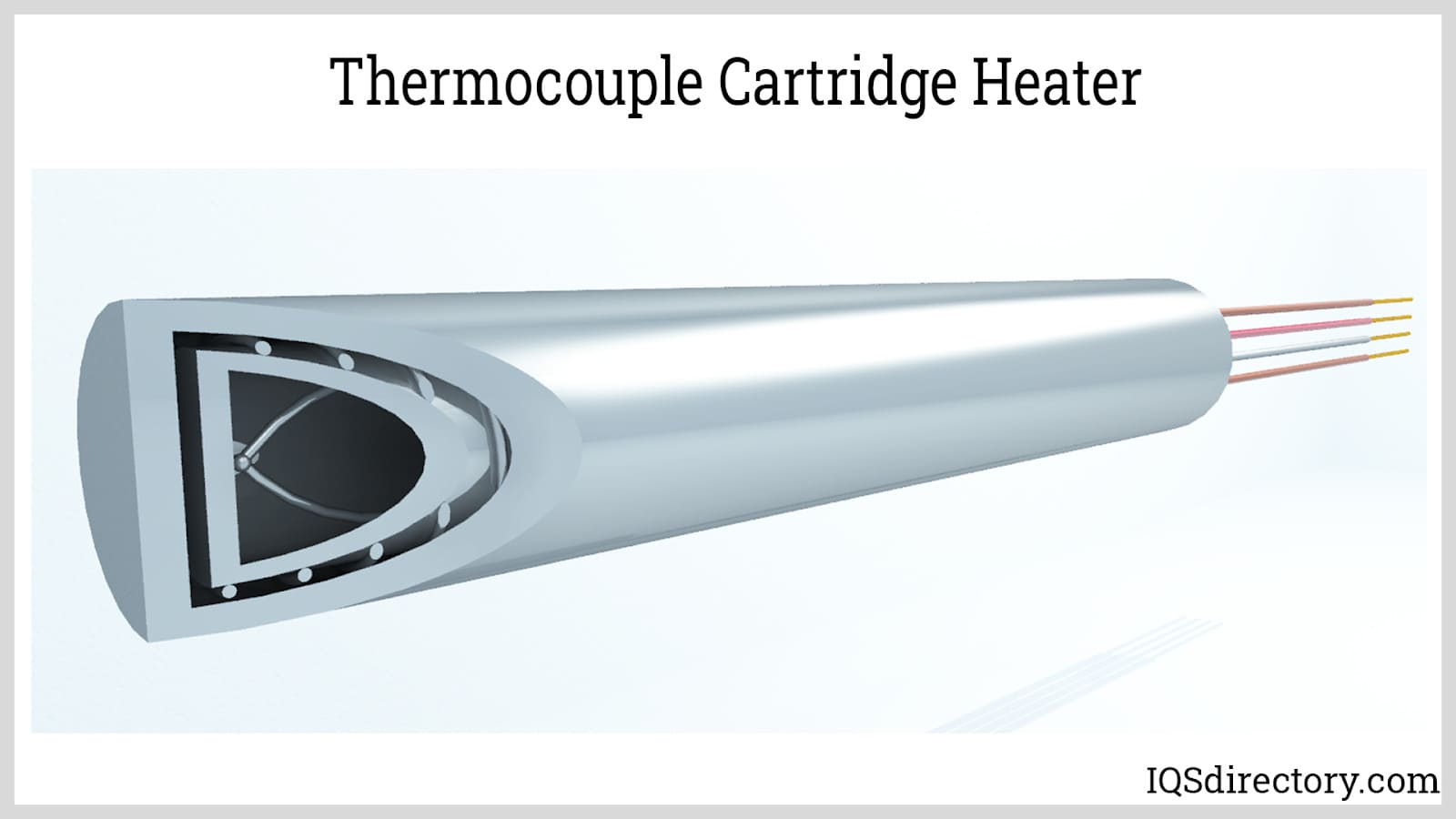
The thermocouple is a widely used type of temperature probe, consisting of two dissimilar metal wires joined at one end. When the junction is exposed to a temperature gradient, it generates a small voltage proportional to the temperature difference, based on the Seebeck effect. This voltage is then interpreted by a measuring device, providing a reliable temperature reading.
Other essential components of temperature probes include:
- Reference junctions: Provide a standard point for comparison, improving measurement stability and accuracy.
- Insulation materials: Protect the internal elements from environmental factors, electrical noise, and cross-talk.
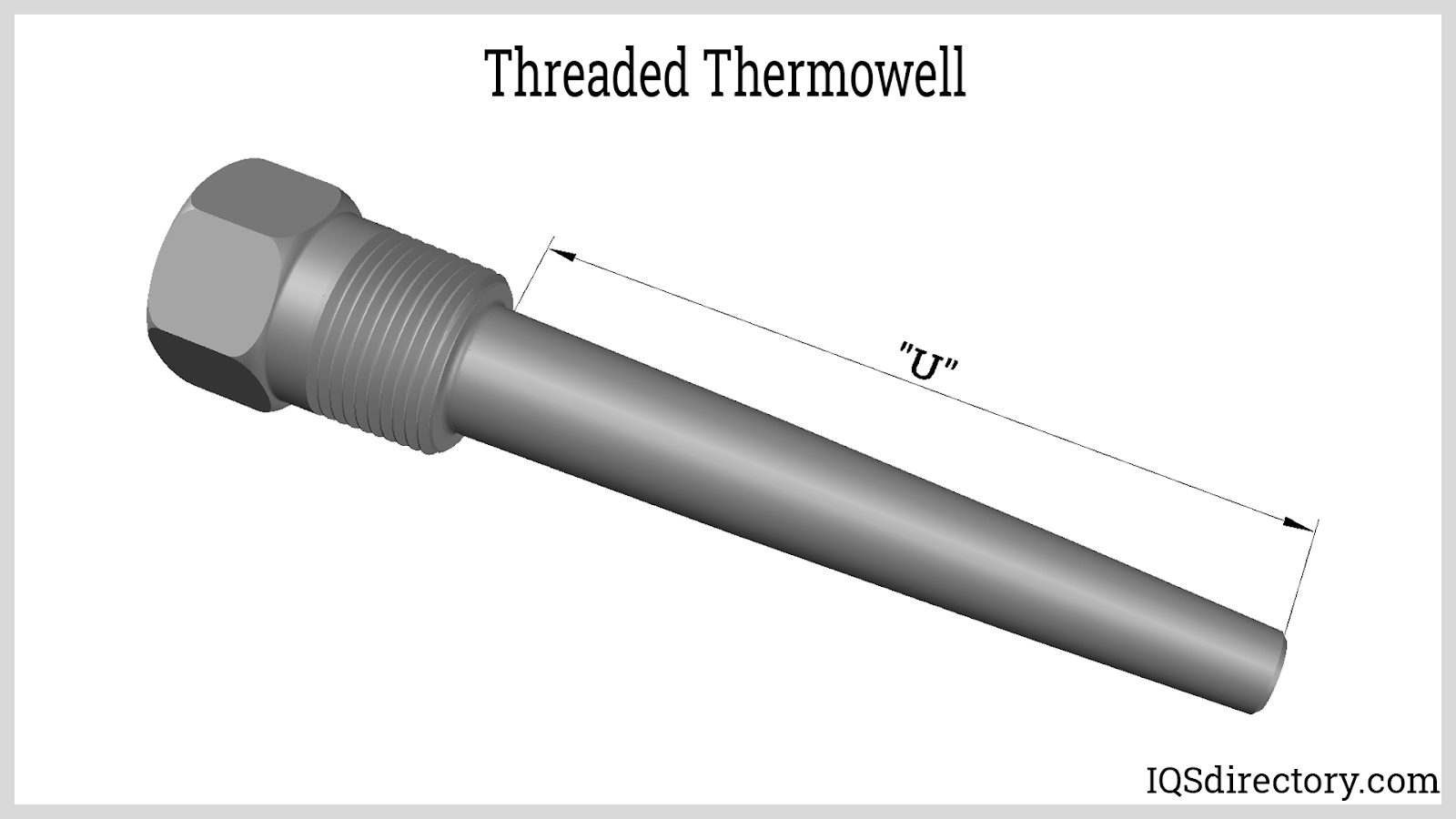
- Protective sheaths or housings: Shield the sensitive sensor from harsh environments, physical damage, moisture, and chemicals.
- Connection leads or terminals: Enable secure interface with data loggers, controllers, or industrial automation systems.
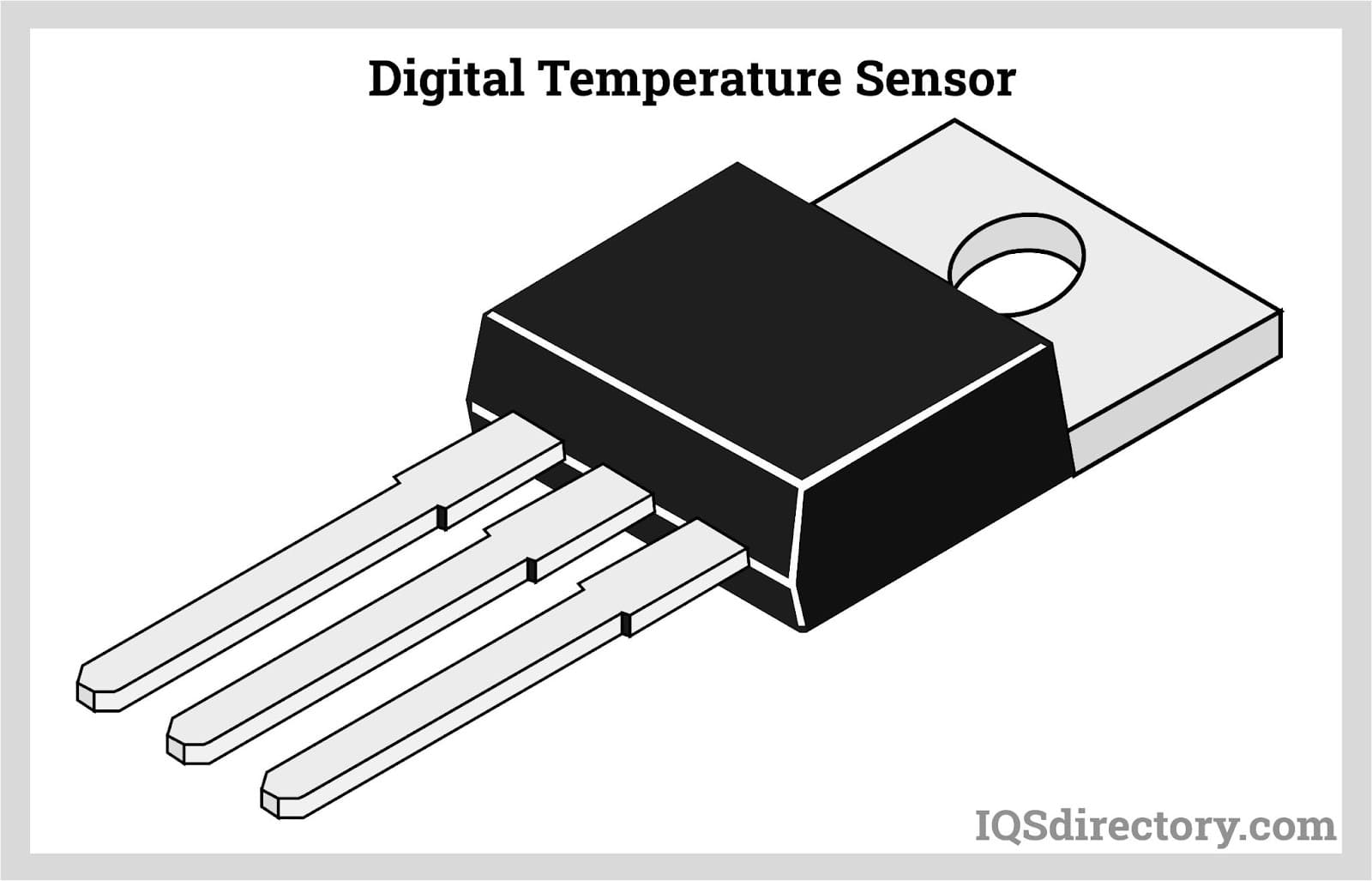
Temperature probes can be analog or digital, with modern designs often integrating microprocessors for advanced signal conditioning, linearization, and data communication. This facilitates seamless integration with Internet of Things (IoT) platforms, SCADA systems, and process control networks.
How do temperature probes work in industrial environments?
Temperature probes in industrial applications are often combined with transmitters and controllers, delivering real-time temperature data for critical process monitoring and automation. Their robust construction and adaptability enable reliable performance in demanding settings such as manufacturing plants, energy production facilities, chemical processing, and more.
Variation in Design or Components of Temperature Probes
Temperature probes are engineered in a variety of designs and equipped with different sensing technologies to cater to specific application requirements. Key types of temperature probes include:
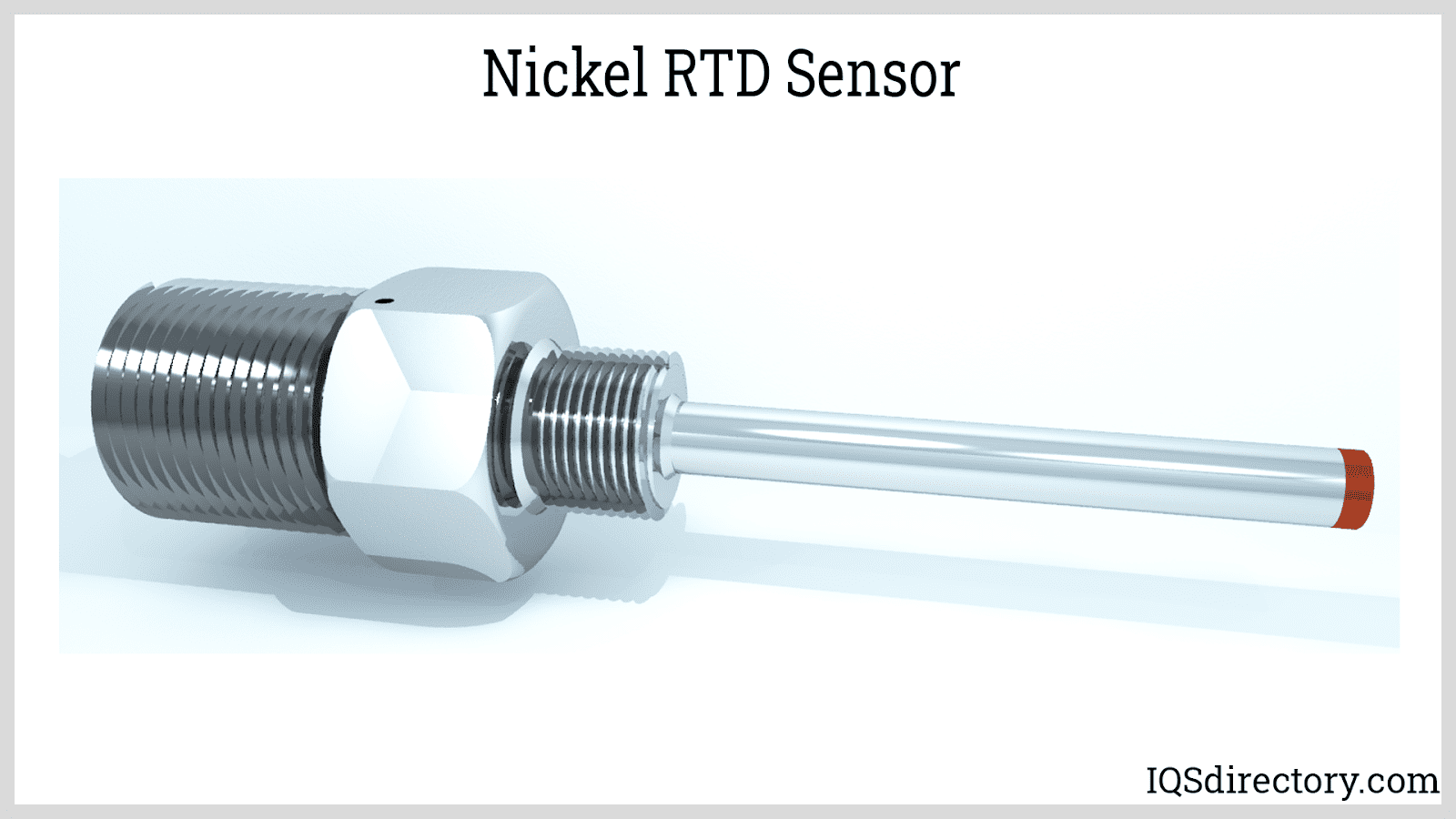
- Resistance Temperature Detectors (RTDs): Utilize the predictable change in electrical resistance of metals (commonly platinum) with temperature. Known for high accuracy, stability, and repeatability, RTDs are ideal for laboratory, pharmaceutical, and industrial process control applications.
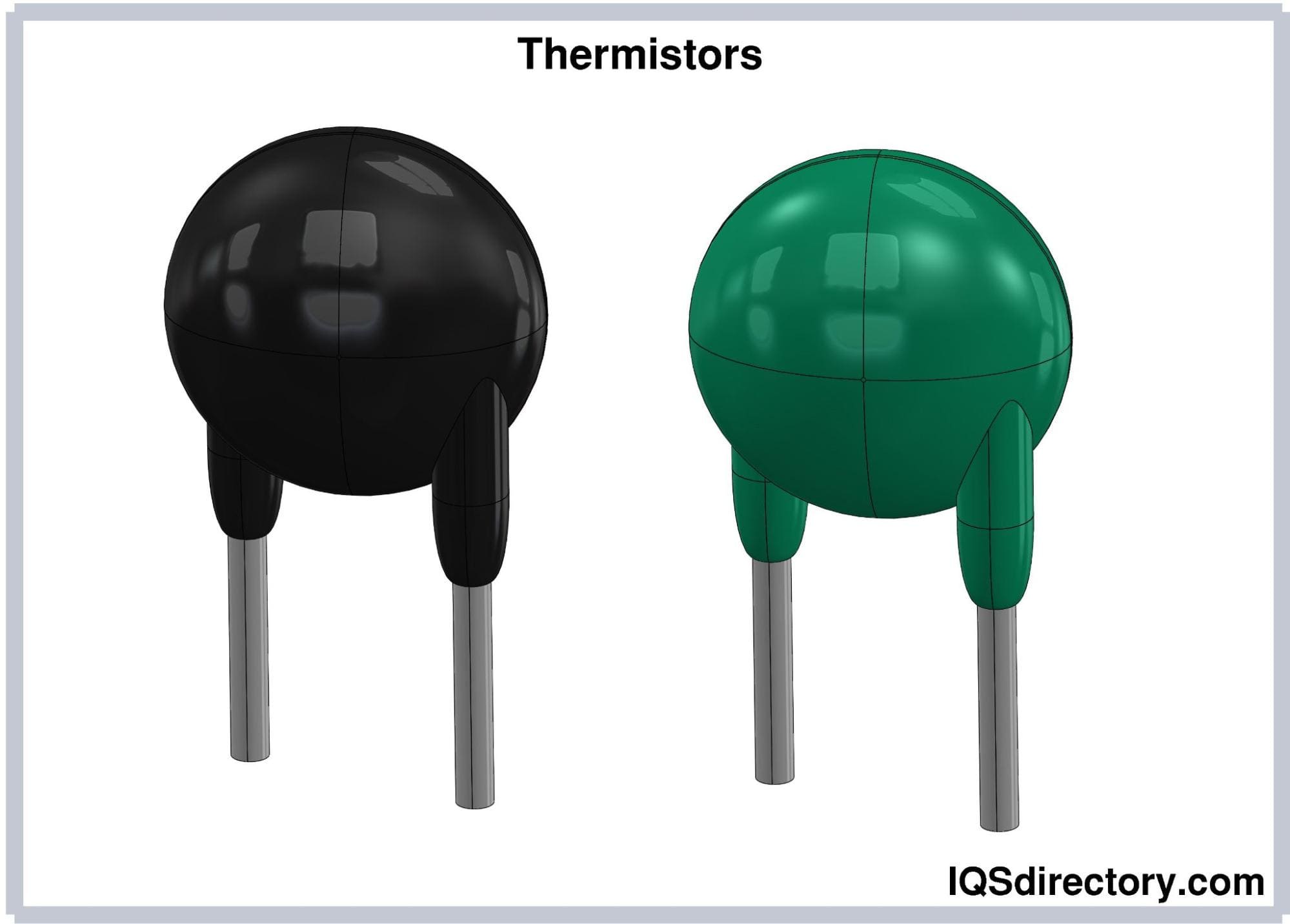
- Thermistors: Temperature-sensitive resistors offering a rapid response time, compact size, and sensitivity to small temperature changes. Thermistors (NTC and PTC types) are widely used in medical devices, digital thermometers, and automotive temperature control systems, where fast and precise readings are essential.
- Thermocouples: Distinguished by broad temperature measurement ranges and ruggedness, thermocouples are the go-to solution for high-temperature industrial processes, kilns, furnaces, exhaust monitoring, and food safety applications.
- Infrared (IR) Temperature Probes: Measure temperature without direct contact by detecting thermal radiation emitted by objects. Their non-invasive nature is especially valuable for food processing, HVAC maintenance, medical diagnostics, and monitoring moving or hazardous objects.
- Surface temperature probes: Designed for accurate contact measurement on pipes, plates, and machinery surfaces, commonly used for maintenance, troubleshooting, and predictive diagnostics.
- Immersion temperature probes: Built for insertion into liquids, gases, or semi-solids, these probes are essential for applications in chemical processing, environmental monitoring, and water quality assessment.
Which type of temperature probe is best for your application?
Choosing the right temperature probe depends on key factors such as measurement range, response time, accuracy, environmental conditions, probe material, and integration requirements. For instance, RTDs are preferred for precision laboratory work, while thermocouples excel in rugged, high-temperature industrial settings. Thermistors are ideal for medical and consumer electronics, whereas infrared probes are optimal when non-contact measurement is required.
Considerations Regarding and Manufacturer Solutions
While temperature probes provide invaluable temperature measurement capabilities, several considerations must be addressed to ensure optimal performance and reliability:
- Calibration drift: Over time, probe accuracy can diminish due to sensor aging, contamination, or thermal cycling. Regular calibration and maintenance are essential to maintain measurement integrity.
- Susceptibility to electromagnetic interference (EMI): Electrical noise from nearby equipment or wiring can impact probe readings. Manufacturers employ advanced shielding, twisted-pair cables, and filtering circuits to protect signal integrity.
- Limited temperature range: Each probe type has defined temperature limits. Selecting a sensor rated for the specific temperature environment is crucial for safety and longevity.
- Environmental factors: Exposure to vibration, moisture, corrosive chemicals, or mechanical stress can affect probe lifespan and performance. Protective coatings, hermetic sealing, and robust housing materials are employed to mitigate risks.
To address these challenges, leading temperature probe manufacturers integrate state-of-the-art calibration techniques, advanced shielding technologies, and high-quality materials to enhance device durability, stability, and accuracy. Many suppliers now offer NIST-traceable calibration certificates, ensuring compliance with industry standards and regulatory requirements.
What should you look for in a reliable temperature probe?
When evaluating temperature probes, consider aspects such as certification, signal output type (analog, digital, 4-20mA, wireless), ease of installation, compatibility with existing systems, and support for data logging or remote monitoring. Opting for reputable suppliers who provide technical support, product customization, and lifecycle management can further ensure reliable long-term operation.
Benefits of Temperature Probes
The integration of temperature probes into industrial, commercial, and scientific processes brings a wealth of advantages, making them indispensable for temperature measurement and control. Here are some of the core benefits:
- High accuracy and repeatability: Advanced temperature probes deliver precise and consistent measurements, supporting process optimization, quality assurance, and compliance with stringent safety standards.
- Wide measurement range: Capable of monitoring temperatures from cryogenic lows (below -200°C) to extreme highs (above 1800°C), temperature probes serve applications in aerospace, metallurgy, food storage, and everything in between.
- Versatility and flexibility: Available in diverse shapes, sizes, and configurations (surface, immersion, air, penetration, wireless), temperature probes adapt to varied installation environments and measurement scenarios.
- Durability and reliability: Engineered to withstand challenging conditions such as vibration, moisture, high pressure, and corrosive agents, modern probes guarantee long-term stable performance with minimal maintenance.
- Fast response time: Many temperature probes, especially thermistors and thermocouples, provide rapid temperature feedback—crucial for dynamic processes, safety shutdowns, and laboratory experiments.
- Seamless integration: Designed for compatibility with industrial automation, PLCs, SCADA systems, IoT networks, and data acquisition platforms, temperature probes facilitate streamlined monitoring and control.
- Compact form factor: Small, lightweight designs allow for easy installation in tight or hard-to-reach spaces while maintaining high measurement fidelity.
- Cost-effectiveness: The long service life and low maintenance requirements of quality temperature probes reduce total cost of ownership for organizations.
- Regulatory compliance: Probes with certifications (such as NIST, ISO, or ATEX) help industries meet regulatory and audit requirements for temperature-sensitive processes.
How do temperature probes improve process efficiency and safety?
By providing real-time, accurate temperature data, temperature probes enable automated control systems to optimize heating, cooling, and safety mechanisms. This minimizes waste, reduces energy consumption, and ensures consistent product quality—critical in food production, pharmaceuticals, and chemical processing. In hazardous environments, temperature probes can trigger alarms or shutdowns, preventing equipment damage and ensuring worker safety.
Applications of Temperature Probes
Temperature probes are integral to a wide spectrum of industries and research domains, supporting a myriad of temperature monitoring and control applications:
- Medical and healthcare: Used in patient monitoring systems, incubators, anesthesia equipment, and laboratory diagnostics to ensure precise and continuous temperature regulation.
- Automotive industry: Integral for engine management, exhaust gas analysis, climate control, battery monitoring in electric vehicles, and thermal testing during vehicle development.
- HVAC (Heating, Ventilation, and Air Conditioning): Critical for controlling air temperature, humidity, and energy usage in residential, commercial, and industrial buildings.
- Food and beverage: Essential for process control in cooking, pasteurization, cold chain logistics, and storage, helping meet food safety standards and regulatory compliance.
- Manufacturing: Enable real-time process monitoring, quality control, and predictive maintenance in industries such as plastics, metals, electronics, and textiles.
- Energy and power generation: Monitor turbine, boiler, and generator temperatures in fossil, nuclear, and renewable power plants, supporting efficiency and safety.
- Environmental monitoring: Used in weather stations, greenhouse management, and climate research to collect data for modeling and analysis.
- Scientific research and laboratories: High-precision probes facilitate experiments, material testing, and calibration of other instruments.
- Pharmaceuticals and biotechnology: Maintain strict temperature control during drug manufacturing, storage, and transportation to ensure product efficacy.
- Electronics and semiconductor manufacturing: Monitor and control process temperatures during wafer fabrication, soldering, and device testing.
How do you select the right temperature probe for your industry?
When searching for the ideal temperature probe, consider criteria such as measurement range, environment (wet, corrosive, or explosive), response time, accuracy, installation constraints, and compatibility with process control systems. Consulting with experienced temperature probe suppliers and leveraging case studies or product datasheets can streamline the selection process.
Decision Factors When Selecting Temperature Probes
Whether specifying temperature sensors for new equipment designs or replacing existing probes, several decision factors determine the best fit for your application:
- Sensor type (thermocouple, RTD, thermistor, IR): Each offers different benefits in terms of range, accuracy, and cost.
- Measurement range: Ensure the selected probe covers the required temperature spectrum, both minimum and maximum.
- Accuracy and calibration: Verify the probe’s tolerance and availability of calibration certificates or services.
- Response time: Applications requiring fast detection of changes should prioritize probes with low thermal mass and rapid feedback.
- Probe construction and material: Protective sheaths, insulation, and connector types must suit the installation environment (e.g., stainless steel for corrosive settings).
- Output signal type: Analog (voltage, resistance), digital, 4-20mA, or wireless—ensure compatibility with monitoring equipment.
- Integration and connectivity: Consider whether the probe will connect to PLCs, SCADA, IoT devices, or cloud platforms for remote monitoring and data analytics.
- Certification and compliance: Look for compliance with industry standards and any regulatory requirements specific to your sector.
- Supplier support and availability: Reliable technical support, spare parts, and fast delivery are vital for minimizing downtime.
Looking to compare temperature probe technologies, brands, or customization options?
Search our temperature probe supplier directory for detailed product specifications, technical datasheets, and customer reviews to make an informed decision for your application.
Choosing the Proper Temperature Probe Supplier
To ensure you have the most productive outcome when purchasing temperature probes from a trusted supplier, it’s vital to compare several companies using our comprehensive directory of temperature probe manufacturers and distributors. Each temperature probe supplier features a business profile page showcasing their core competencies, product range, quality certifications, and engineering capabilities. You can also use the integrated contact form to request technical information, seek customization options, or obtain a quote tailored to your requirements.
Take advantage of our proprietary website previewer to quickly review each supplier’s focus areas, from custom thermocouple assemblies to high-precision RTDs, industrial surface probes, or wireless IoT-enabled sensors. After shortlisting your preferred vendors, use our simple RFQ form to contact multiple temperature probe companies in a single step, saving you valuable time in the procurement process.
Ready to get started?
- Browse our temperature probe supplier directory for a trusted partner.
- Compare features, certifications, and customization options.
- Request samples or technical datasheets to evaluate product performance.
- Contact suppliers directly for expert advice or to request a quote.
Frequently Asked Questions About Temperature Probes
What is the difference between a thermocouple, RTD, and thermistor?
Thermocouples measure temperature via the voltage generated at the junction of two dissimilar metals, offering a wide range and ruggedness. RTDs use the resistance change of metal (typically platinum) with temperature to provide highly accurate, stable readings, ideal for laboratory and industrial processes. Thermistors (NTC/PTC) are resistive sensors known for high sensitivity, fast response, and cost-effectiveness, well-suited for medical, automotive, and consumer electronics applications.
How often should temperature probes be calibrated?
Calibration frequency depends on the application, required accuracy, and environmental conditions. For critical processes, annual or semi-annual calibration is recommended. In regulated industries (pharmaceuticals, food safety), follow manufacturer and regulatory guidelines for calibration intervals.
Can temperature probes be used in hazardous or explosive environments?
Yes, specialized temperature probes are available with ATEX, IECEx, or FM approvals for use in hazardous locations. These probes feature explosion-proof housings, intrinsic safety barriers, and robust construction to prevent ignition of flammable atmospheres.
What is the typical lifespan of a temperature probe?
With proper selection, installation, and maintenance, temperature probes can last from several years up to a decade or more. Lifespan is influenced by sensor type, environmental exposure, frequency of use, and adherence to calibration schedules.
How do I integrate temperature probes with my data acquisition or control system?
Temperature probes are available with various output formats (analog, digital, wireless). Ensure compatibility with your data logger, PLC, SCADA, or IoT platform. Many suppliers offer integration support, wiring diagrams, and software drivers to streamline setup.
Explore and Source the Best Temperature Probes for Your Needs
Whether you are designing a new process, upgrading existing systems, or seeking to enhance product quality and regulatory compliance, selecting the right temperature probe is critical. Use our resources to:
- Identify the optimal probe type for your application, environment, and measurement requirements.
- Compare leading temperature probe brands, technical features, and pricing.
- Access calibration services and support for ongoing accuracy assurance.
- Leverage expert advice to ensure seamless integration and long-term reliability.
For more information, visit our temperature probe suppliers directory or contact us directly. Our team of experts is ready to answer your questions and connect you with the right temperature sensing solution for your business.